 Pin
Pin The first time blood oranges appeared in my grocery basket, I had no plan for them beyond eating them out of hand, staining my fingers like I'd discovered something forbidden. Their ruby flesh felt too special for ordinary snacking, though, and I ended up baking this cake on a whim while snow fell outside my kitchen window. The way the whole house smelled like citrus and warmth made me realize I'd stumbled onto something that would become a winter tradition, even though I started with nothing but curiosity and a few beautiful fruits.
I brought this cake to a book club meeting during the grayest month of the year, watching my friends' faces light up when I sliced into the loaf to reveal that golden interior. Someone asked if I'd used a complicated French technique, which made me laugh because the whole thing came together in one bowl while I sipped my morning coffee. Now every time I see blood oranges at the market, I remember that evening of conversation and seconds being requested around the table.
Ingredients
- All purpose flour: Provides the structure for this tender cake, and measuring by weight ensures consistent results every time
- Baking powder: Gives the loaf its gentle rise, creating those delicate air pockets that make each slice so light
- Salt: A crucial pinch that wakes up all the flavors and keeps the cake from tasting flat
- Greek yogurt: The secret weapon for moisture, creating a velvety crumb that stays fresh for days
- Granulated sugar: Sweetens just enough to let the blood orange flavor shine without overwhelming its natural complexity
- Eggs: Room temperature eggs incorporate more easily, creating better structure and a finer texture
- Blood orange zest: Packs concentrated citrus oil into every bite, infusing the cake with fragrance before you even taste it
- Blood orange juice: Adds both liquid and that distinctive tart sweetness that makes this cake unforgettable
- Vanilla extract: Rounds out the citrus notes with warm, familiar comfort
- Coconut oil: Contributes a subtle richness and keeps the cake dairy free in the batter itself
- Powdered sugar: Creates the silky consistency needed for a drizzle that sets beautifully on the cooled cake
Tired of Takeout? 🥡
Get 10 meals you can make faster than delivery arrives. Seriously.
One email. No spam. Unsubscribe anytime.
Instructions
- Get your oven ready:
- Preheat to 350°F (175°C) and butter your 9×5 inch loaf pan thoroughly, dusting with flour or lining with parchment paper so the cake releases cleanly later
- Whisk the dry ingredients:
- Combine flour, baking powder, and salt in a medium bowl, then set it aside while you prep the wet ingredients
- Make the base:
- In a large bowl, whisk Greek yogurt and sugar until completely smooth and the sugar has dissolved into the creamy yogurt
- Add the eggs and flavor:
- Whisk in eggs one at a time, then stir in the blood orange zest, juice, and vanilla until everything is beautifully combined
- Combine the batter:
- Gently fold the dry ingredients into the wet mixture just until no flour streaks remain, being careful not to overwork the batter
- Incorporate the oil:
- Fold in the melted coconut oil until fully incorporated, creating a smooth, glossy batter that smells incredible
- Bake to perfection:
- Pour the batter into your prepared pan and smooth the top, then bake for 50 minutes until a toothpick comes out clean
- Cool completely:
- Let the cake rest in the pan for 10 minutes before transferring to a wire rack, waiting until fully cooled before icing
- Make the finishing touch:
- Whisk together powdered sugar, blood orange juice, and zest until smooth and pourable, then drizzle generously over the cooled cake
- Let it set:
- Allow the icing to firm up for at least 20 minutes before slicing into thick, beautiful pieces
 Pin
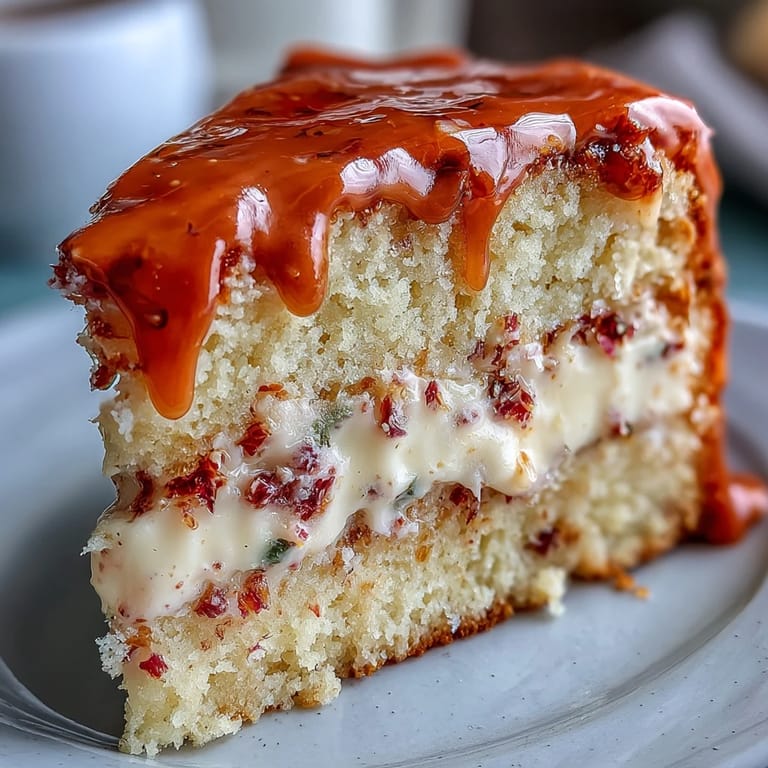
Pin My neighbor came over while this was baking once, standing in my doorway asking what smelled so amazing and bright. I ended up sending her home with a still warm slice, and she texted me an hour later saying it was the best thing she'd eaten all winter. That's when I knew this cake wasn't just dessert, it was a way to share sunshine with people.
Making It Your Own
Swap melted butter for coconut oil if you prefer that classic rich flavor, or try regular oranges when blood oranges aren't in season. I've made this with cara cara oranges and the result was just as lovely, though the dramatic color was different. The beauty of this recipe is its flexibility while still delivering something special.
Serving Suggestions
This cake shines on its own, but a dollop of lightly sweetened whipped cream takes it over the top. Fresh berries scattered around the plate add both color and a tart contrast to the sweet, tender crumb. I've also served thin slices alongside a cheese board where the citrus notes play beautifully with soft cheeses.
Storage and Timing
The cake stays perfectly moist at room temperature for two days, covered with a cake dome or wrapped tightly. After that, refrigeration keeps it fresh for up to a week, though I've rarely had it last that long. The texture actually improves after the first day as the flavors meld together.
- Make the cake a day ahead for easier entertaining and even better flavor
- Bring refrigerated slices to room temperature before serving for the best texture
- Freeze unfrosted slices wrapped tightly for up to three months
 Pin
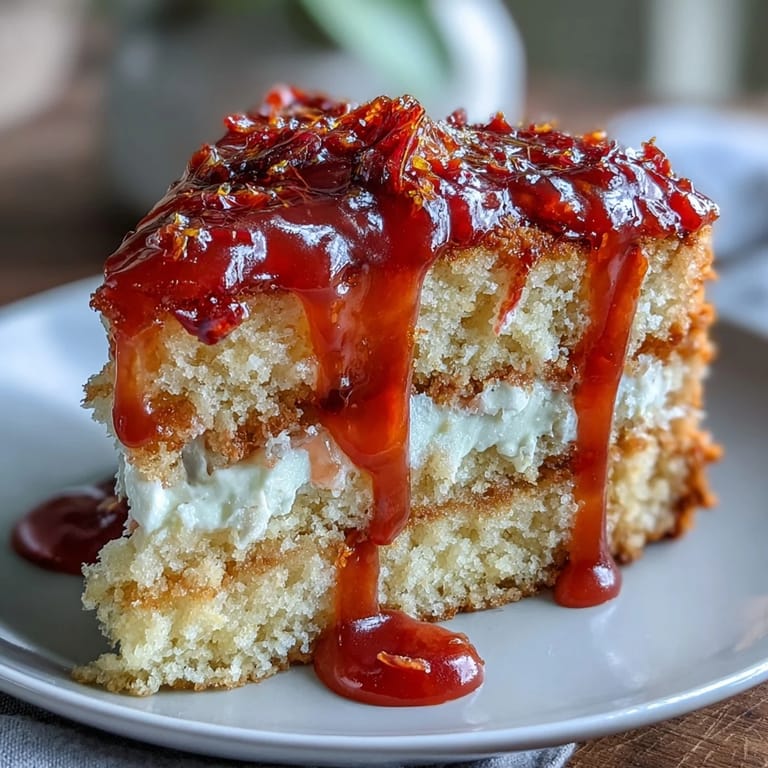
Pin Every time I pull this vibrant loaf from the oven, I'm reminded that the simplest ingredients, treated with care, can create something extraordinary.
Recipe Q&A
- → Why is Greek yogurt used in this cake?
Greek yogurt contributes significantly to the cake's moistness and tender crumb. Its slight tang also balances the sweetness and enhances the overall flavor profile, creating a richer texture than regular milk or buttermilk might.
- → Can I substitute regular oranges for blood oranges?
Yes, you can use regular navel or cara cara oranges, but the cake will have a slightly different flavor and won't have the distinctive rosy hue that blood oranges impart to both the cake and the icing. The zesty notes will still be present.
- → How can I ensure the cake remains moist?
The Greek yogurt and coconut oil are key for moisture. Ensure you don't overmix the batter once the dry ingredients are added, as this can develop gluten and lead to a tough cake. Also, avoid overbaking; test with a toothpick around the 50-minute mark.
- → What's the best way to store the finished cake?
Store the cake covered at room temperature for up to two days. For longer freshness, you can refrigerate it for several days. If refrigerated, allow it to come to room temperature before serving for the best texture and flavor.
- → Can I use melted butter instead of coconut oil?
Absolutely. The notes mention that melted unsalted butter is a great substitute for coconut oil. This will yield a slightly different, perhaps richer, flavor but will still maintain the cake's moist texture.
- → Are there any specific tools recommended for making this cake?
Essential tools include a 9x5-inch loaf pan, mixing bowls, a whisk for combining ingredients, a spatula for folding, a wire cooling rack for proper cooling, and a zester or microplane for obtaining fine citrus zest.