 Pin
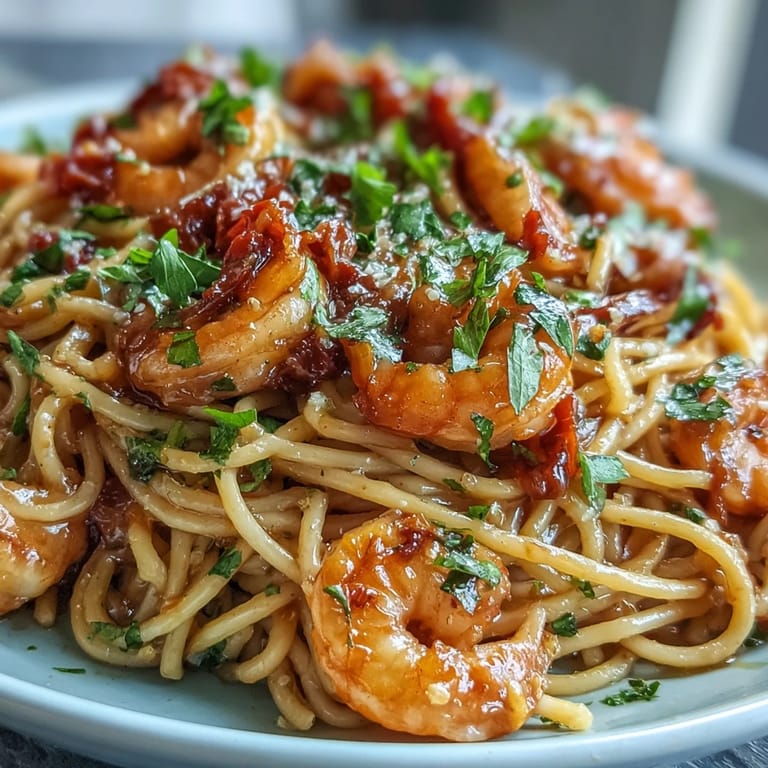
Pin You know that sense of anticipation when you hear shrimp sizzle in butter, and something bold is in the air? The first time I made this Garlic Butter Shrimp Buldak Pasta, I wasn’t even planning on cooking—I’d just come home from a chilly walk with a craving for something fiery and comforting. A half-empty jar of gochujang begged to be used, and in a fit of midweek creativity, a fusion pasta was born. My kitchen filled with the warming scent of garlic and toasted sesame, nudging me to keep improvising. That carefree mood is why this dish still feels adventurous every time I make it.
One rainy Friday, I whipped up a big pan of this for friends who’d shown up unexpectedly. As we clustered around the kitchen counter with wine in hand and steam swirling up from the pasta, there was no need for conversation—the grins and furiously twirled forks said it all. I ended up scribbling the recipe on the back of an old grocery list for someone to take home. That offhand moment cemented it as our new go-to comfort food for stormy nights and impromptu gatherings alike.
Ingredients
- Large shrimp: Choose fresh or frozen, just make sure they’re peeled and deveined—the sweetness and texture are that much better when you do it yourself.
- Spaghetti or linguine: Either noodle works; the only trick is stopping at al dente so they stay satisfyingly chewy.
- Unsalted butter: Letting the butter foam with garlic brings warmth and a mellow richness that balances all the heat.
- Garlic: Mince it finely to release its oils—you want every bite fragrant, not bitter.
- Olive oil: Adds an extra silkiness and helps toast the garlic evenly without burning.
- Gochugaru (Korean red chili flakes): This is where the fire comes from—start with less if you’re heat-averse and build up.
- Gochujang (Korean chili paste): Savory and sweet, gochujang lends that deep, unmistakable Korean flavor that’s so addictive.
- Low-sodium soy sauce: Salty, umami backbone—taste before adding extra salt.
- Honey or brown sugar: Even a tablespoon of sweetness can temper the spice into something balanced and craveable.
- Rice vinegar: Brightens up all the richness—don’t skip it.
- Toasted sesame oil: Adds that signature nutty aroma, but a little goes a long way.
- Water: Thins and marries the sauce; don’t worry if it looks a bit runny at first.
- Fresh parsley: Chopped parsley brings a pop of color and freshness right before serving.
- Toasted sesame seeds: The crunch and smoky, toasty notes round out the whole dish.
Tired of Takeout? 🥡
Get 10 meals you can make faster than delivery arrives. Seriously.
One email. No spam. Unsubscribe anytime.
Instructions
- Boil the pasta:
- Bring a large pot of salted water to a rolling boil, then drop in the pasta and cook until just al dente—taste for that perfect bite. Before draining, reserve about half a cup of the starchy pasta water to help the sauce sing later.
- Mix your buldak sauce:
- Stir gochugaru, gochujang, soy sauce, honey, rice vinegar, sesame oil, and water in a small bowl until totally smooth and vibrant red; I like to give it an extra whisk so every flavor is married.
- Infuse the garlic butter:
- In a roomy skillet, melt olive oil and 2 tablespoons of the butter over medium-high heat, and toss in the minced garlic—inhale that nutty sizzle for about a minute, just as it turns golden and fragrant.
- Sear the shrimp:
- Add shrimp to the pan in a single layer without crowding. Let them cook 1–2 minutes per side, flipping as soon as they curl and blush pink, then transfer to a plate while resisting the urge to snack.
- Add the buldak sauce:
- Pour the spicy sauce right into the garlicy skillet, letting it bubble and reduce slightly for 1–2 minutes—the aroma will practically shout flame-roasted flavor.
- Toss in the pasta:
- Tip the drained noodles into the sauce and toss enthusiastically to coat, using the reserved pasta water little by little until the sauce glosses every strand.
- Finish with shrimp and butter:
- Return the shrimp to the pan, add the last tablespoon of butter, then toss and let everything heat through for a final minute—it’ll smell so inviting you’ll want to eat straight from the pan.
- Garnish and serve:
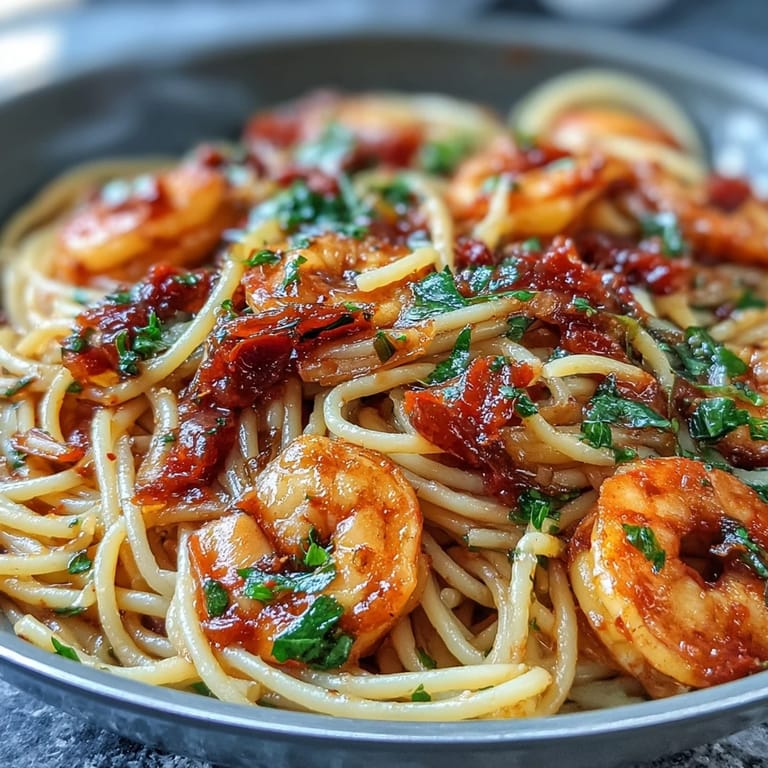
- Spoon the pasta into bowls, then scatter with chopped parsley and sesame seeds for crunch and color. Serve right away, while still piping hot and glistening.
 Pin
Pin I never expected a mashup like this to end up the centerpiece for so many little celebrations: birthdays, impromptu date nights, or even after working late. It has a way of turning a kitchen into a place where people linger, laughing and reaching for seconds long after the last shrimp is gone.
Sauce Balance: Getting It Just Right
I’ve learned that gochugaru and gochujang are potent, and everyone’s heat preference is a little different. Start cautiously, taste as you go, and don’t hesitate to dial up the sweetness or acid if things get too fiery.
Cooking Shrimp Without Fear
If you hover too much, shrimp can end up rubbery—let the sizzling sound and pink color guide you, not the clock. And don’t stress about perfect sear marks; what matters is juicy, tender results.
Serving & Pairing Ideas
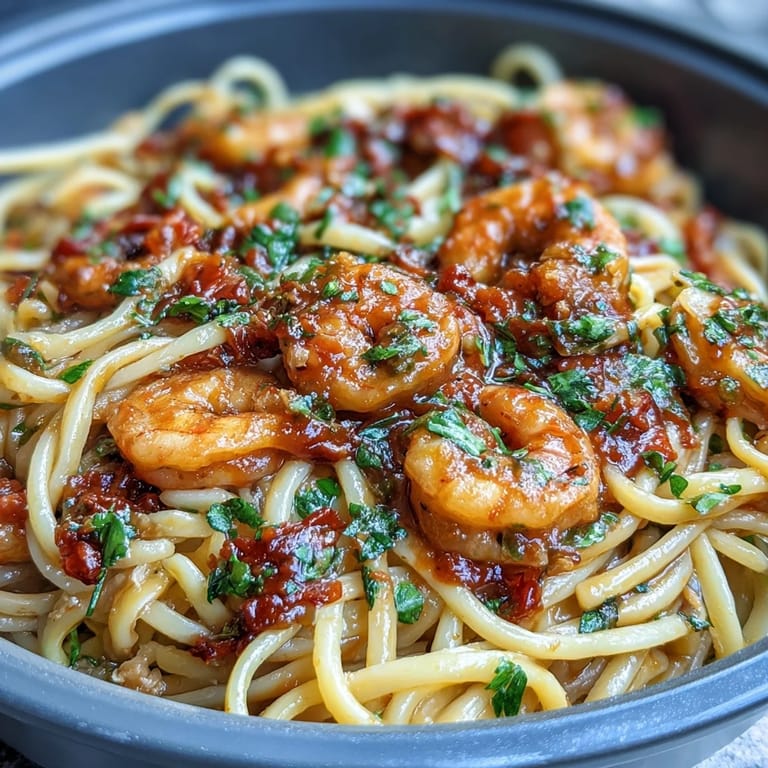
This dish is stellar straight from the pan, but it loves a bright squeeze of lemon or a crisp cucumber salad to cool the heat. White wine or a citrusy soda both make it feel just a bit more celebratory. Noodles soak up the sauce if they sit, so serve quickly for the boldest flavors.
- Keep extra garnishes around for sprinkling at the table.
- Try swapping tofu or chicken if you like—a fun twist for guests.
- Don’t forget to double-check ingredients for hidden allergens if serving a crowd.
 Pin
Pin This pasta always makes my kitchen feel lively and warm, no matter the season. Give it a try—I hope it brings some spark and comfort to your table too.
Recipe Q&A
- → What type of shrimp works best here?
Large, peeled, and deveined shrimp are ideal for soaking up the flavors and cooking quickly without becoming rubbery.
- → How spicy is buldak sauce?
Buldak sauce is known for its fiery heat. You can adjust the gochugaru and gochujang to make it milder or spicier as you like.
- → Can I substitute the shrimp?
Yes, you can swap shrimp with chicken, tofu, or even mushrooms for a different flavor or to suit dietary preferences.
- → Will any pasta shape work?
Spaghetti or linguine work best, but other long pasta shapes like fettuccine or bucatini can also be used successfully.
- → Is this dish suitable for gluten-free diets?
Use gluten-free pasta and check labels on sauces for gluten to make this dish suitable for gluten-free eaters.
- → How can I brighten the flavors?
A squeeze of fresh lemon over the finished dish adds brightness and balances out the rich and spicy flavors.