 Pin
Pin The first time I made a spring cake crowned with pressed flowers, the kitchen was awash in sunlight and the air carried a hint of lemon zest. I remember chasing a few petals that fluttered off the counter, momentarily distracted by their colors. It felt almost theatrical, layering lemon curd between sponge and planning the decoration like an artist with a blank canvas. Each step was filled with anticipation—would those blooms really transform a cake into something magical? The answer became clear as fragrant swirls of cream and the gentle weight of blossoms lifted the whole affair into celebration territory.
One spring afternoon, I brought this cake to a picnic tucked under blossoming trees and it quickly became the centerpiece. Friends gathered around, commenting on the edible flowers and laughing as they tried to guess their names. The gentle hum of chatter and clinking tea cups made the cake feel right at home, as if it belonged to that fleeting moment of sunshine and joy. Even the shyest guest reached for seconds. It was a recipe that inspired conversation and sharing, which is exactly what I hoped for.
Ingredients
- Unsalted butter: Softened butter creates a tender sponge and blends smoothly; let it sit out to take off the chill.
- Granulated sugar: Whipping sugar with butter until pale gives the cake its airy lightness.
- Large eggs (room temperature): Room temp eggs emulsify best, so I always set them out as I preheat the oven.
- Vanilla extract: Adds warmth and balance to the lemon’s brightness; quality vanilla offers deeper flavor.
- All-purpose flour: Sifting flour prevents lumps and ensures a uniform crumb.
- Baking powder: Reliable lift for a cake that’s never stodgy.
- Fine sea salt: Enhances sweetness and brings out delicate notes.
- Whole milk (room temperature): Every ingredient blends better when not cold; it keeps the batter velvety and smooth.
- Lemon zest: For a subtle citrus aroma throughout the bake, zest it just before mixing in.
- Eggs (for curd): Whisked until smooth, they create a silky lemon curd filling.
- Granulated sugar (for curd): Sweetens but doesn’t overpower—start with the recipe’s amount and taste as you go.
- Lemon juice: Freshly squeezed juice delivers real tang; strain it to avoid pulp.
- Lemon zest (for curd): Intensifies the curd’s flavor without making it bitter.
- Unsalted butter (for curd): Cubed, it melts gently into the curd for richness and sheen.
- Heavy cream: Whipping cold cream gives billowy peaks for the cake’s topping.
- Powdered sugar: Dissolves quickly in cream, preventing any graininess.
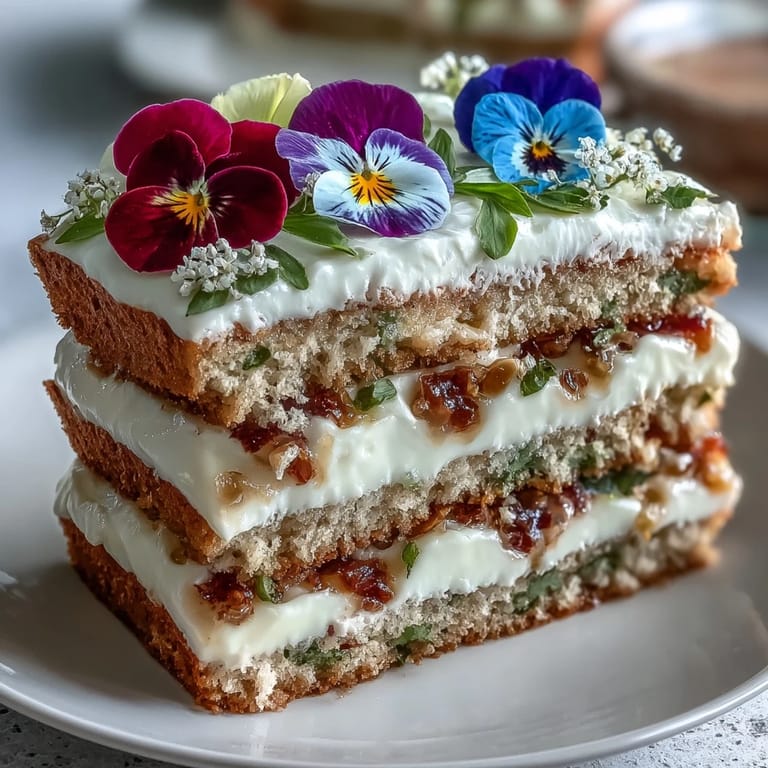
- Pressed edible flowers: Colorful pansies, violets and rose petals add springtime joy to the cake—always confirm they’re safe and pesticide-free.
Tired of Takeout? 🥡
Get 10 meals you can make faster than delivery arrives. Seriously.
One email. No spam. Unsubscribe anytime.
Instructions
- Prepare Your Pans:
- Grease and line two round cake pans with parchment, smoothing the edges so nothing sticks. It feels good to start with a clean slate and a layer of anticipation.
- Creaming Magic:
- In a large bowl, cream butter and sugar until the mixture looks pale and fluffy; the sound of the mixer lets you know when to stop. Add eggs one at a time, stirring in vanilla and lemon zest, and savor the perfume as it wafts up.
- Mix Dry Ingredients:
- Whisk flour, baking powder, and salt together—watch for the tiny clouds as you sift. Fold dry into wet in three stages, alternating with milk, until silky and just combined.
- Bake The Cake:
- Divide batter between pans and bake for 25–30 minutes, checking with a toothpick for doneness. Let cool for 10 minutes in the pans, then gently flip onto a wire rack.
- Make Lemon Curd:
- Set eggs, sugar, lemon juice, and zest in a heatproof bowl, placing it atop simmering water. Whisk constantly as curd thickens and pull from heat before adding butter; keep stirring for a glossy finish.
- Whip The Cream:
- Whip chilled cream with powdered sugar and vanilla until it holds peaks, watching as the texture transforms from runny to billowy.
- Assemble The Layers:
- Set one cake layer on your plate and spread with a generous layer of lemon curd; top with the second cake carefully, aligning the edges.
- Decorate:
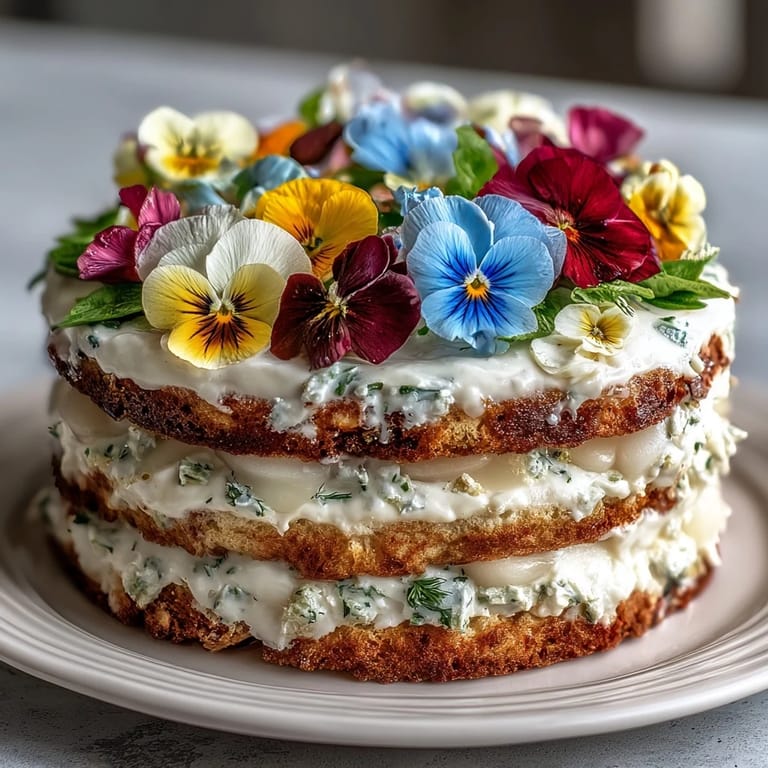
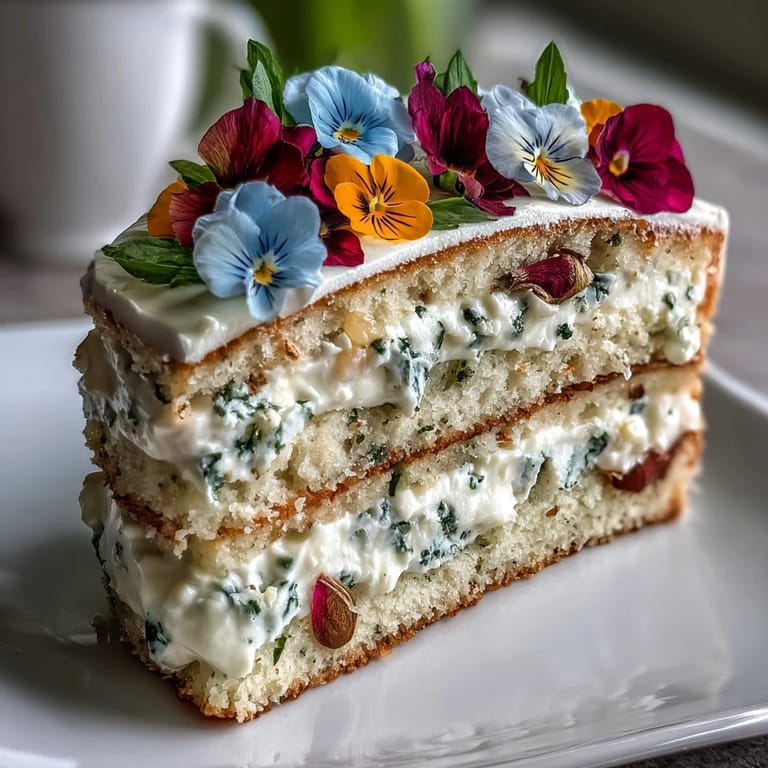
- Frost top and sides with whipped cream, then place pressed flowers over the surface, gently pressing so they adhere. Let the cake chill for at least 30 minutes so everything settles in place.
 Pin
Pin There was a moment, mid-assembly, when I stepped back and saw the cake glimmering under kitchen lights, flowers arranged just so. It made me realize how food can turn a simple gathering into something festive, with a slice of cake acting as an invitation to linger. Cake became more than dessert—it was a little celebration on a plate.
Decorating With Flowers—A Few Tricks
When decorating, I sometimes use tweezers for placing pansies or violets, especially if they’re delicate. Pressing them gently into the cream ensures they stay flat, and working slowly prevents smearing. Always choose only edible, pesticide-free blooms—you’ll notice how each flower imparts a subtle aroma. If you’re unsure of a blossom’s origin, best to leave it off. Creating patterns or a scattering effect gives a natural look that’s easier to replicate.
Lemon Curd Without Fear
Making lemon curd once intimidated me, but I learned that patience is everything. Whisking in a double boiler lets you feel the texture changing; it goes from thin to thick almost suddenly. Don’t rush the butter or you’ll lose the silky finish. Once cooled, it thickens further, perfect for cake layering. Clean spoons taste-test for sweetness and tartness—every batch deserves a touch of personalization.
Sponge Cake Success—Common Questions
Sometimes the sponge layers sink or brown unevenly, and I’ve learned it’s usually oven hotspots or over-mixing that cause it. Checking with a toothpick is my ritual, and I always cool cakes on a rack to stave off sogginess. Room temperature ingredients blend more smoothly so don’t skip this step. Once finished, storing wrapped layers overnight develops even better flavor. If you’re in a hurry, decorating with a few extra blossoms covers minor imperfections.
- Let cakes cool fully before decorating.
- Flowers should not touch warm cream or they’ll wilt.
- Start with more flowers than you think you’ll need.
 Pin
Pin This spring cake, with its garden flourish, is best made on a day when you want to celebrate the season’s colors and flavors. Don’t rush the process—the joy is in each floral detail and tangy layer.
Recipe Q&A
- → What flowers are safe to use for decorating?
Use organic, pesticide-free flowers such as pansies, violets, nasturtiums, or rose petals confirmed as edible.
- → Can cake layers be made in advance?
Yes, bake layers a day ahead and wrap well at room temperature. Assemble and decorate before serving.
- → How do you make homemade lemon curd?
Whisk eggs, sugar, lemon juice, and zest over gentle heat, then whisk in butter until thick and smooth. Cool completely before use.
- → What's the best way to attach pressed flowers?
Carefully place flowers atop whipped cream on chilled cake and press gently to secure without damaging them.
- → What is the ideal serving pairing?
Pair with Earl Grey tea or sparkling Moscato for a sophisticated spring treat.
- → Are there any allergens in this dessert?
This cake includes eggs, dairy, and wheat. Verify flowers are safe, organic, and non-toxic.