 Pin
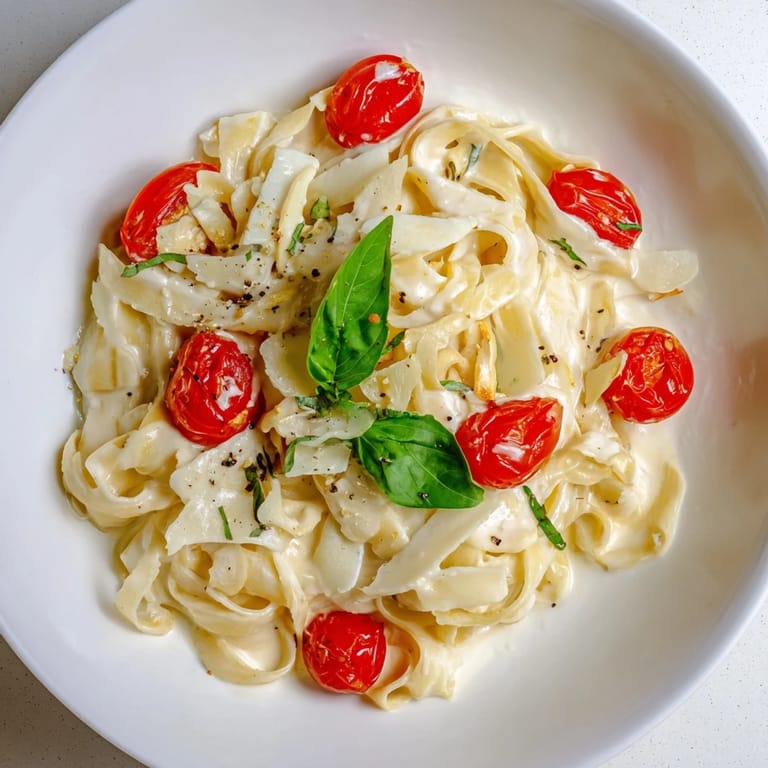
Pin The first time I made baked brie pasta, I was genuinely nervous about melting an entire wheel of cheese directly into a sauce. But watching it transform in the oven—golden, gooey, pooling into those burst cherry tomatoes—felt like alchemy. What emerged was something so luxurious and simple that I've made it countless times since, and it never fails to feel like I'm doing something a little bit fancy.
I remember my neighbor stopping by right as I pulled this from the oven, the smell of melted brie and burst tomatoes stopping her mid-sentence. She ended up staying for dinner, and watching her twirl those creamy strands of pasta around her fork—that's when I realized this wasn't just a recipe, it was a conversation starter.
Ingredients
- Fettuccine (400 g): Wide, flat ribbons catch the sauce better than thin pasta, and they have this luxurious quality that matches the richness of the brie.
- Brie cheese wheel (250 g, rind on): Keep the rind on—it holds the cheese together as it melts and adds subtle earthy notes. Buy it whole, not pre-sliced, and cut into large chunks so they don't disappear into the sauce.
- Cherry tomatoes (500 g, halved): They burst into jam-like sweetness in the oven, creating little pockets of brightness. Look for ones that are ripe and fragrant at the stem.
- Garlic (3 cloves, thinly sliced): Thin slices meld into the sauce rather than staying chunky. Don't skip this—it's what keeps this from tasting one-dimensional.
- Extra-virgin olive oil (2 tbsp): This carries flavor, so use something you actually like the taste of, not the bottle hiding in the back.
- Fresh thyme (1 tsp leaves): Fresh thyme has a brightness that dried doesn't capture, but if you only have dried, use half the amount.
- Crushed red pepper flakes (½ tsp, optional): Even a pinch gives the sauce personality and plays beautifully against the sweetness of the tomatoes.
- Kosher salt and black pepper: Season as you taste. This sauce needs more salt than you might expect because the brie can soften flavors.
Tired of Takeout? 🥡
Get 10 meals you can make faster than delivery arrives. Seriously.
One email. No spam. Unsubscribe anytime.
Instructions
- Set your oven and prep:
- Heat the oven to 200°C (400°F). While it warms, halve your tomatoes and slice the garlic thin—you want everything ready to go into the dish at once so nothing oxidizes or browns before you want it to.
- Build the sauce base:
- Toss the tomatoes, garlic, olive oil, thyme, red pepper flakes, salt, and pepper in your ovenproof baking dish. This is your foundation, and getting it evenly distributed matters because uneven heat will give you some burnt garlic and some undercooked patches.
- Nestle the brie:
- Cut your brie into large chunks and place them right in the center of the tomato mixture, letting them peek out slightly. The chunks will melt better than a single wheel and distribute more evenly throughout the sauce.
- Bake until melted and burst:
- Slide the dish into the oven for 25 minutes. You're looking for tomatoes that have split open and collapsed, and brie that's completely melted but still slightly holds its shape—if you wait too long, the sauce can start to separate. The smell alone will tell you when you're close.
- Cook your pasta perfectly:
- While the brie is working its magic, get your pasta water to a rolling boil and salt it generously. Cook the fettuccine until al dente—tender but with just a hint of resistance. Before you drain it, scoop out half a cup of that starchy pasta water and set it aside because you'll need it to adjust the sauce.
- Create the sauce:
- Pull the baking dish from the oven and give the melted brie and tomatoes a good stir until they come together into something creamy and luxurious. Don't overthink this—a few gentle folds and you'll have sauce.
- Marry pasta and sauce:
- Add the hot drained fettuccine directly to the baking dish and toss it gently, coating every strand in that creamy mixture. If it looks too thick, splash in a bit of that reserved pasta water—a little at a time, since it's easy to add more but impossible to take back.
- Finish and serve:
- Tear fresh basil leaves over the top, grind black pepper over everything, and serve immediately while it's still silky and warm. Letting it sit makes it seize up, so get it to the table while the magic is happening.
 Pin
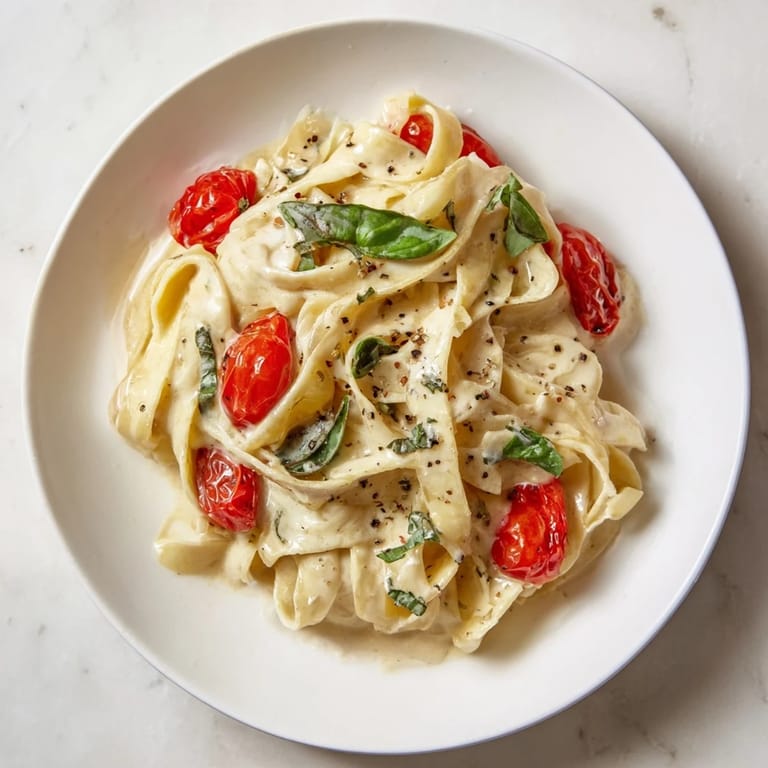
Pin There's a moment just after you toss the hot pasta into that warm brie and tomato mixture when everything comes together into something glossy and almost too beautiful to eat. My daughter once called it "fancy poor-person food," and she wasn't wrong—it tastes like a dinner party on a Tuesday night.
Why This Works So Well
The brie is doing two things at once: it's creating a creamy base while the natural salt and umami in the cheese season the entire dish. The cherry tomatoes provide acid and sweetness that cut through the richness, so you don't end up with pasta that feels heavy or one-note. Everything comes together in one dish, which means fewer pans to wash and more time to actually enjoy dinner.
Ways to Adapt This
This recipe is forgiving in the best way. If you want earthiness, toss in a handful of baby spinach or arugula right before serving—the heat from the pasta will wilt it perfectly. You can swap the brie for camembert if that's what you have on hand, and honestly, both are equally good. Some nights I add a pinch of lemon zest at the end for brightness, and other times I lean into richness with a crack of fleur de sel instead of kosher salt.
Pairing and Serving Ideas
Serve this alongside a simple arugula salad dressed with lemon and olive oil to give your palate something to reset between bites. A crisp white wine like Sauvignon Blanc or Pinot Grigio is made for this dish—the acidity works beautifully against the creamy pasta. This feeds four people as a main course, but it also stretches to six if you're serving it as part of a larger meal, and leftovers reheat gently in a low oven with a splash of reserved pasta water to bring back the silky texture.
- Make sure your baking dish is actually oven-safe before you put it in the heat.
- Fresh basil is non-negotiable at the end—dried basil will make you regret skipping the farmers market.
- Serve immediately because this sauce tightens as it cools, even if you're planning to reheat it later.
 Pin
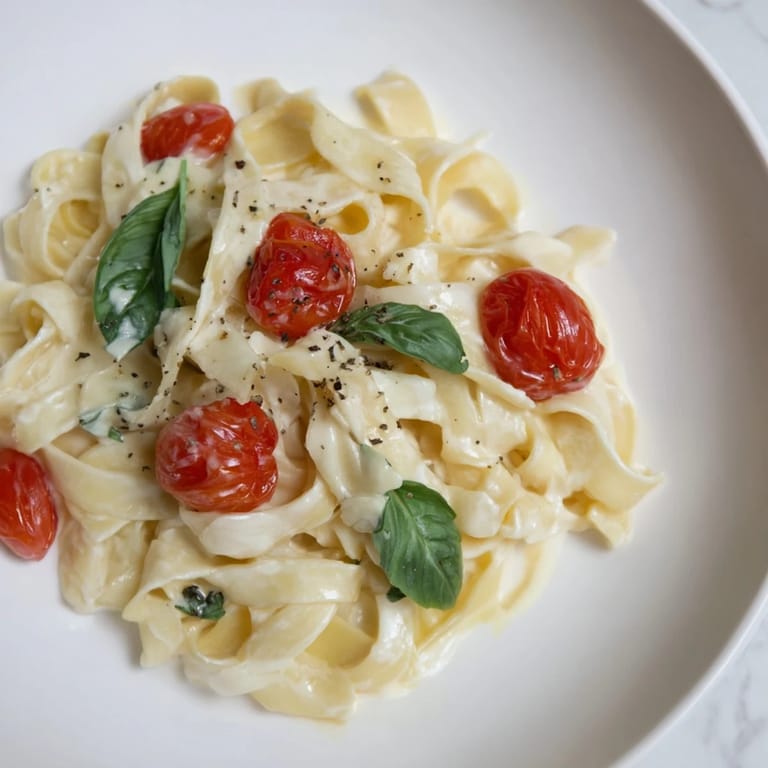
Pin This is the kind of recipe that reminds you why you love cooking in the first place. It's simple enough to pull together on a random Thursday, but it tastes like you've done something intentional and special.
Recipe Q&A
- → Can I substitute brie with another cheese?
Yes, camembert can be used as a similar alternative to brie for a comparable creamy texture and flavor.
- → How do I ensure the pasta sauce is silky and smooth?
Reserve some pasta cooking water and add it gradually to the melted brie and tomato mixture while tossing the pasta to achieve a silky consistency.
- → Can I add extra greens to this dish?
Absolutely, adding baby spinach or arugula before tossing with pasta boosts flavor and freshness.
- → Is it necessary to keep the brie rind on?
Keeping the rind helps the cheese melt better and adds subtle earthy flavors to the sauce.
- → What wine pairs well with this dish?
Crisp white wines like Sauvignon Blanc or Pinot Grigio complement the creamy and tomato flavors beautifully.