 Pin
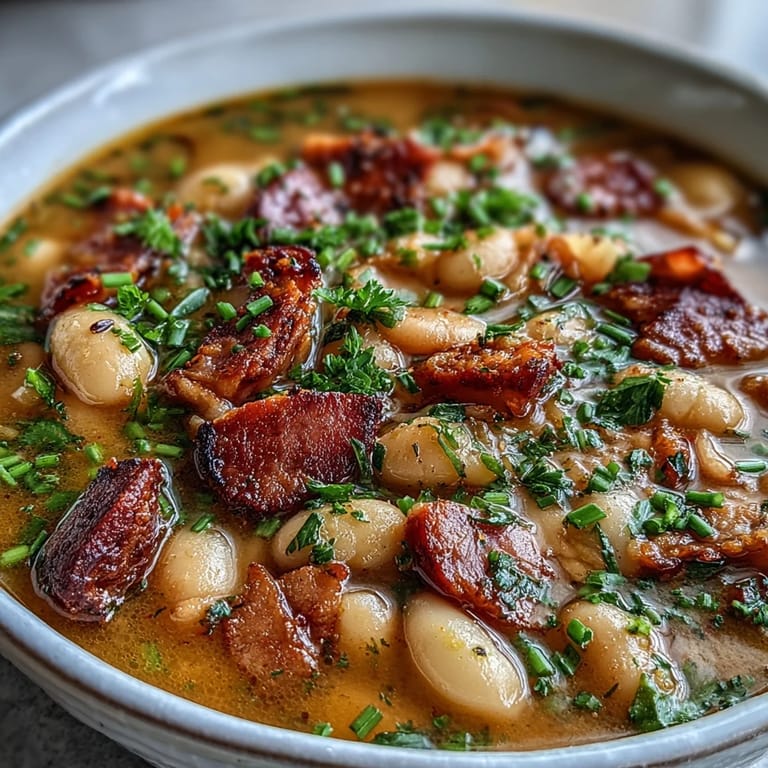
Pin My grandmother kept a ham bone in her freezer year-round, wrapped in foil like it was treasure. She'd pull it out on the coldest days, toss it into a pot with whatever beans she had soaked, and within hours the kitchen would fill with this deep, savory warmth that made everything else fade away. I didn't understand until much later that she wasn't just making soup, she was making a moment where everyone slowed down. Now when I make this, I chase that same feeling.
I made this soup on a rainy March evening when my neighbor stopped by with flour he'd borrowed months earlier. We ended up standing in my kitchen while it simmered, talking through his whole week, and by the time the herbs went in, I'd ladled two bowls without even asking. He sat at my counter and ate slowly, the way people do when they need something more than just food. That's when I knew this recipe had become part of my life.
Ingredients
- Smoked ham hock or diced ham (1 lb): This is your flavor foundation, so don't skip quality here. A hock gives you the bone for body and fat for richness, while diced ham is faster and works beautifully if you're short on time.
- Dried butter beans or canned (2 cups dried or 3 cans): Soaking dried beans overnight transforms them into something almost silky, but canned beans won't let you down if you're pressed. Either way, rinse them well to keep the broth clear.
- Yellow onion, carrots, celery (1 large, 2 medium, 2 stalks): This holy trinity is the backbone of the whole thing, softened down until they nearly disappear into the broth and become flavor itself.
- Garlic (3 cloves, minced): One minute in the hot oil is all it takes to bloom its fragrance through the pot, and everything shifts from there.
- Low-sodium chicken broth and water (8 cups broth, 2 cups water): Low-sodium lets you taste the ham and beans first, and you control the salt story instead of fighting against it.
- Bay leaves and thyme (2 bay leaves, 1 tsp dried or 1 tbsp fresh): Bay leaves work quietly through the simmering, and fresh thyme at the end adds a clean herbal whisper that dried thyme can't quite match.
- Fresh parsley and chives, plus black pepper (1 tbsp each, 1/2 tsp pepper): These aren't just garnish, they're the final act where everything gets lifted and brightened in the bowl.
Tired of Takeout? 🥡
Get 10 meals you can make faster than delivery arrives. Seriously.
One email. No spam. Unsubscribe anytime.
Instructions
- Soak your beans the night before:
- If using dried butter beans, cover them generously with cold water and let them sit overnight. This isn't fussy, it's actually the easiest step because you're not even in the kitchen. Come morning, drain and rinse them well.
- Build your base with softened vegetables:
- Heat a splash of oil in a large pot over medium heat, then add your diced onion, carrots, and celery. Let them soften for 5 to 7 minutes, stirring now and then, until they start to collapse at the edges and the kitchen smells like something is actually happening.
- Toast the garlic until it blooms:
- Add your minced garlic and cook for just one minute, watching it go from raw to fragrant. Don't rush this moment or let it brown, it should fill your nose with this bright, pungent promise of what's coming.
- Add everything and bring it to life:
- Dump in your ham hock or diced ham, the drained beans, broth, water, bay leaves, thyme, and black pepper. Stir everything together and turn the heat up until you see a gentle boil.
- Simmer low and slow:
- Lower the heat and let it bubble gently for about an hour (45 minutes if you're using canned beans). Stir occasionally and let the flavors marry together while the beans grow so tender they're almost falling apart. This is the meditative part where you can smell everything getting better by the minute.
- Recover the ham and discard what doesn't serve:
- If you used a ham hock, fish it out and shred any meat clinging to the bone, returning the shreds to the pot. Discard the bone, any excess fat, and those bay leaves that have done their job.
- Finish with fresh herbs and taste:
- Stir in your fresh parsley and chives, then taste the whole thing and salt and pepper it until it feels complete. Sometimes a soup tells you exactly what it needs if you listen.
- Serve while it's still steaming:
- Ladle it into bowls, garnish with extra herbs if you have them, a dash of hot sauce if you're in the mood, and serve alongside crusty bread that's begging to soak up every drop.
 Pin
Pin There's a moment in every pot of this soup where it stops being ingredients and becomes something alive. You notice it when you walk into the kitchen and the smell has changed, when the steam tastes different on your tongue. My sister calls it the turning point, and she's right.
When to Make This
This soup lives in the colder months, but honestly it's welcome anytime someone needs comfort in a bowl. I make it in winter when the light fades early and we all need gathering, but I've also made it in September when the first cool morning arrived and caught us off guard. It's the kind of soup that knows what season it belongs in the moment you need it most.
How to Make It Your Own
The bones of this recipe are strong enough to hold your changes. Mash some beans partway through if you want a creamier bowl, or add chopped collard greens and spinach in the last few minutes for something with more vegetable momentum. Smoked turkey leg swaps in easily if pork doesn't suit you, and hot sauce on the side lets everyone control their own heat level.
Storage and Reheating
This soup keeps beautifully in the refrigerator for up to five days, and it actually deepens in flavor as it sits. Reheat it gently on the stove over medium heat, stirring often and adding a splash of broth or water if it's thickened too much. You can also freeze it for up to three months, though the beans soften more when thawed, which some people actually prefer.
- Refrigerate it in shallow containers so it cools quickly and stays safe to eat.
- Don't let it boil when you're reheating, just warm it through with gentle stirring.
- Fresh herbs should go in just before serving for that brightness to shine through.
 Pin
Pin This soup tastes like someone cares, and that matters. Serve it with conviction and watch what happens.
Recipe Q&A
- → How long should dried butter beans be soaked?
Soak dried butter beans overnight in plenty of cold water to ensure they soften properly for cooking.
- → Can smoked turkey be used instead of ham?
Yes, smoked turkey leg is a lighter substitute that imparts a similar smoky flavor to the dish.
- → What fresh herbs complement the soup best?
Parsley, chives, and thyme provide a fresh, aromatic quality that balances the rich smoky ham.
- → How can the soup be made creamier?
Mash some of the cooked beans with a spoon before serving to create a thicker, creamier texture.
- → Is this dish suitable for a gluten-free diet?
Yes, as long as the ham and broth used are certified gluten-free, the dish fits gluten-free requirements.
- → What side pairs well with this soup?
Crusty bread or a crisp white wine are excellent accompaniments to enhance the comforting flavors.