 Pin
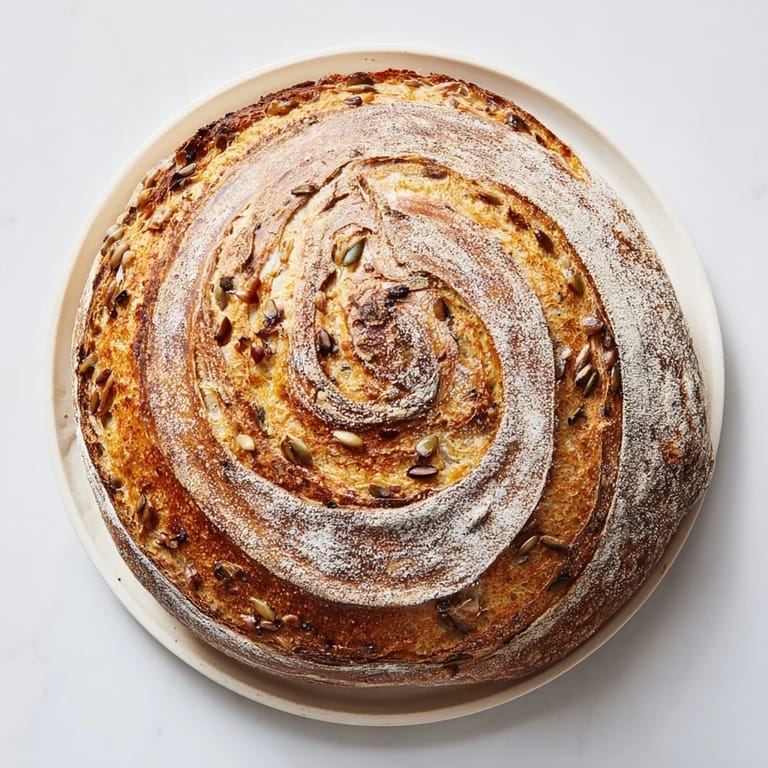
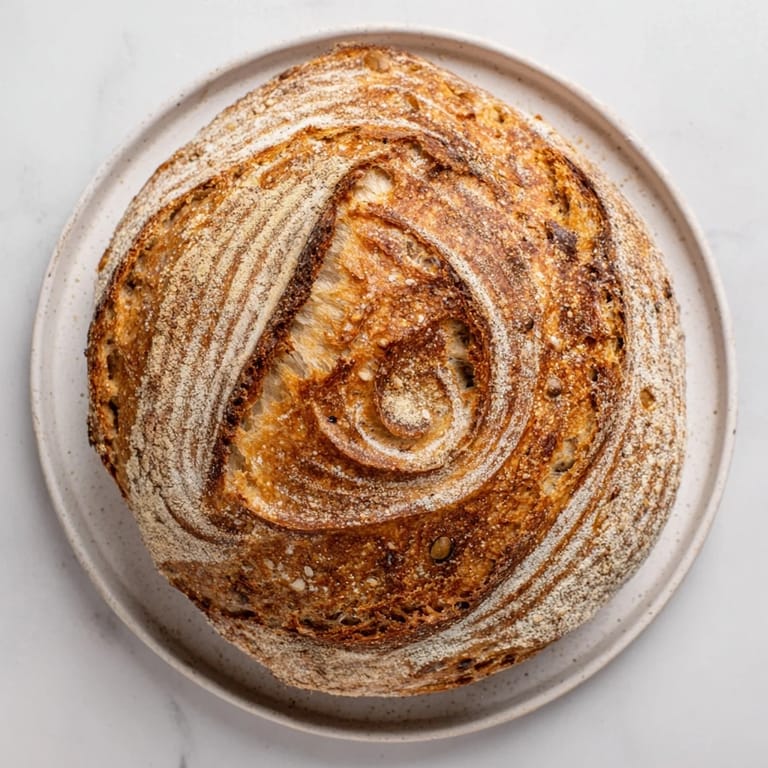
Pin I'll never forget the afternoon I discovered the Fibonacci spiral in nature while kneading bread dough. It was one of those moments where mathematics and baking collided beautifully—I was reading about golden ratios when it hit me that I could shape an entire loaf around this concept. That evening, I experimented with layering ingredients in increasing amounts, spiraling them into the dough, and when I pulled that first loaf from the oven, I stood there mesmerized. It wasn't just beautiful; it tasted like edible art, with each spiral revealing a different flavor adventure.
The first time I made this for my book club, everyone went silent when I unveiled the spiral. Then someone cut into it, and the room just erupted—they could see the layers of color, taste the walnuts and sun-dried tomatoes, and feel the texture shift with each spiral. That's when I realized this bread does something special: it transforms a simple meal into an experience, a moment where everyone pauses and actually pays attention.
Ingredients
- Strong bread flour, 500 g: This is your foundation—it has the protein strength to develop gluten and support those beautiful spirals without collapsing. I learned to weigh rather than measure by volume, which changed everything about my consistency.
- Lukewarm water, 350 ml: Temperature matters more than you'd think; too hot and you'll kill your starter, too cold and fermentation drags. I keep mine around body temperature—if you can comfortably hold your finger in it, it's right.
- Sourdough starter (active) or instant yeast, 100 g or 7 g: If you're using starter, make sure it's been fed and is bubbly; if using commercial yeast, the instant variety hydrates faster and gives you more control over timing.
- Fine sea salt, 10 g: Salt strengthens gluten and brings out flavor complexity. I learned never to mix it directly with water before adding starter, as salt can inhibit fermentation.
- Olive oil, 15 ml: Just enough to add richness and help with handling, but not so much that it overwhelms the bread's personality.
- Toasted sunflower seeds, 20 g: This is your first spiral addition, the smallest amount. Toasting them first deepens their nutty character.
- Chopped walnuts, 30 g: The second layer, bringing earthiness and a subtle bitterness that balances the bread's sweetness.
- Pumpkin seeds, 40 g: These add a slightly peppery note and impressive texture; they hold their shape beautifully through baking.
- Grated hard cheese (Gruyère or Parmesan), 50 g: The umami anchor of this loaf. I learned that grating it fresh rather than using pre-grated makes an enormous difference in how it incorporates.
- Chopped sun-dried tomatoes (drained), 60 g: These bring concentrated sweetness and acidity. Draining them properly prevents excess moisture from affecting your spiral structure.
- Mixed olives (pitted and chopped), 70 g: Salty, briny, beautiful—they're the penultimate layer that sets up the finale.
- Sautéed spinach (well-drained), 80 g: Your final, largest spiral, bringing color and earthiness. The key word here is well-drained; water is the enemy of a crispy crust, and excess moisture will compromise your spiral.
Tired of Takeout? 🥡
Get 10 meals you can make faster than delivery arrives. Seriously.
One email. No spam. Unsubscribe anytime.
Instructions
- Begin with the autolyse:
- Mix your flour and lukewarm water together in a large bowl—don't worry about making it perfect, just combine until no dry flour remains. Cover with a cloth and let it sit for 30 minutes. This rest period allows the flour to fully hydrate and begins gluten development naturally. It's one of those magical moments where you're not doing much, but the bread is doing all the work.
- Build the dough:
- After the autolyse, add your sourdough starter (or yeast), salt, and olive oil. Mix with your hands or a wooden spoon until a sticky dough forms—it should feel alive and slightly resistant. Turn it onto a lightly floured surface and knead for 8 to 10 minutes. You're looking for the dough to transform from shaggy to smooth and elastic, with a subtle spring-back when you poke it. Your arms might get tired, but that's when you know you're getting somewhere.
- First rise:
- Place your kneaded dough in a lightly oiled bowl, cover it loosely, and let it rise at room temperature for 8 to 12 hours. This long fermentation is where the magic happens—you'll see bubbles form, the dough will double in volume, and the flavor will deepen considerably. The timing depends on your kitchen temperature; cooler kitchens take longer, warmer ones faster.
- Prepare the spiral additions:
- While the dough rises, prepare all your ingredients: toast the sunflower seeds gently in a dry pan, chop your walnuts, seeds, olives, and tomatoes, sauté the spinach and squeeze it dry (this step is crucial—I learned this the hard way after a soggy failure), and grate your cheese. Having everything ready when you need it transforms the next steps from frantic to flowing.
- Divide and conquer:
- Turn your risen dough onto a lightly floured surface and divide it into 7 equal portions. The easiest way is to gently flatten the dough, mark it into 7 sections, and cut with a bench scraper or knife.
- Build each spiral segment:
- Here's where it gets beautiful. Take your first portion and gently knead the 20 g of toasted sunflower seeds into it until they're evenly distributed—don't overwork the dough, just incorporate them until you don't see loose seeds. Repeat this process with each portion, increasing the ingredient amount and moving through your additions in order: walnuts (30 g), pumpkin seeds (40 g), cheese (50 g), sun-dried tomatoes (60 g), olives (70 g), and finally spinach (80 g). Each portion now carries a unique flavor identity.
- Shape the spiral:
- Roll each dough portion into a rope about the thickness of your thumb. On a parchment-lined baking sheet, start with your smallest rope (sunflower seeds) and coil it around a central point like you're drawing a spiral. Each subsequent rope wraps around the previous one, growing outward. Press the ends together to seal, and you've created something that looks more like art than bread.
- The second rise:
- Cover your spiral loosely with a cloth and let it rise for 1.5 hours until it looks puffy and soft to the touch. You want it visibly risen but not so much that it's falling apart.
- Prepare for baking:
- Preheat your oven to 230°C (445°F) and place an empty tray on the bottom rack. This tray will hold steam, which creates that beautiful crispy crust. Dust your spiral generously with flour and use a sharp blade or lame to slash along the spiral lines—these cuts guide expansion and create visual drama when the bread opens in the oven.
- Steam and bake:
- Pour a cup of hot water into the oven tray—careful, the steam will rise immediately. Quickly place your spiral on the middle rack and close the door. Bake for 40 minutes, rotating the loaf halfway through to ensure even browning. You're looking for a deep golden-brown crust and an internal temperature around 210°C (95°C on a thermometer in the center).
- Cool and reveal:
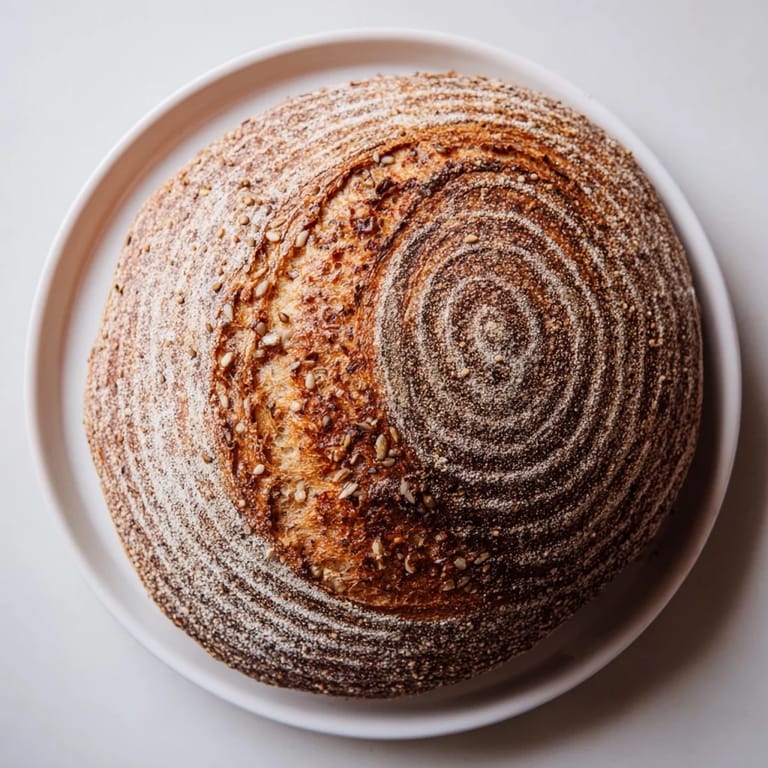
- Transfer to a wire rack and let cool completely—I know it's tempting to slice while warm, but the crumb is still setting. Once cooled, cut into it slowly and reveal your layers. Each slice tells the story of the spiral you created.
 Pin
Pin I'll remember making this bread for my partner on a Sunday when we'd both had a rough week. We didn't talk much while it rose—we just existed in the same space, checking on it now and then, smelling that deep fermentation aroma fill the apartment. When it came out of the oven and we sliced into it, warm and crackling, it felt like we were celebrating something bigger than just bread. It became our ritual.
The Mathematics of Flavor
What fascinates me about this loaf is how the Fibonacci sequence isn't just beautiful—it's actually smart baking. Each spiral segment increases in both size and the amount of ingredient it carries, which means the flavors crescendo gradually rather than hitting you all at once. The sunflower seeds whisper, the spinach and olives sing loud, and everything in between finds its place. It's like the bread is telling a story that unfolds with every bite. When you understand this, you realize the spiral isn't arbitrary—it's mathematical poetry that your palate can actually taste.
Sourdough Starter vs. Commercial Yeast
If you have an active sourdough starter, use it. The long fermentation window (8-12 hours) rewards slow yeast with deeper flavor complexity and better keeping quality. If you're using commercial instant yeast, the shorter timeline and more predictable rise means you have more control, which is actually valuable when you're managing 7 different ingredient sections. Either path works, but they create different breads—starter gives you personality and depth, yeast gives you consistency and reliability.
Variations and Why They Matter
This recipe is more flexible than it might appear. You can substitute any of the specific ingredients as long as you maintain the increasing weights. I've made versions with roasted garlic instead of tomatoes, sesame seeds replacing sunflower, and different cheeses based on what I'm craving. The structure remains sound because the increasing amounts keep everything balanced.
- For a vegan version, replace the cheese with nutritional yeast or miso paste for that umami depth—just start with 30 g instead of 50 g since these are more intense.
- Dried fruit like cranberries or apricots can replace the sun-dried tomatoes and add different flavor coordinates to your spiral story.
- The beauty is that once you understand the framework, this bread becomes an expression of whatever ingredients are calling to you that week.
 Pin
Pin This bread isn't just food—it's a conversation starter, a moment of edible wonder, a reminder that mathematics and craft can merge into something both beautiful and delicious. Make it for someone you love.
Recipe Q&A
- → How is the spiral shape achieved?
The dough is divided into seven portions, each mixed with different amounts of seeds, nuts, cheese, and vegetables, then rolled into ropes and coiled in increasing size to form the spiral.
- → What gives the bread its crisp crust?
Adding steam to the oven during baking helps develop a golden, crisp crust while keeping the crumb tender inside.
- → Can the cheese be substituted for a vegan option?
Yes, the cheese can be omitted or replaced with vegan cheese alternatives to suit dietary preferences.
- → Why is the dough left to rise for 10–12 hours?
A long, slow rise helps develop deeper flavor and improves the dough’s texture for a more complex loaf.
- → What are the main nuts and seeds used?
Toasted sunflower seeds, walnuts, pumpkin seeds, and a mix of olives and sun-dried tomatoes are incorporated to build layers of flavor and texture.