 Pin
Pin I discovered the magic of fractal tree platters at a dinner party where a friend arranged cured meats and vegetables in this mesmerizing branching pattern. The moment guests arrived and saw this edible sculpture, their faces lit up—it wasn't just food, it was architecture you could eat. I became obsessed with recreating that moment of wonder, learning that the most memorable appetizers are the ones that make people pause, admire, and then eagerly dig in.
The first time I made this for a dinner party, I spent an hour arranging and rearranging the pieces until the fractal pattern felt just right. When my partner walked in and gasped, I knew I'd nailed it. As people gathered around the platter, picking pieces like they were discovering hidden treasures, I realized this wasn't just appetizer—it was interactive theater on a plate.
Ingredients
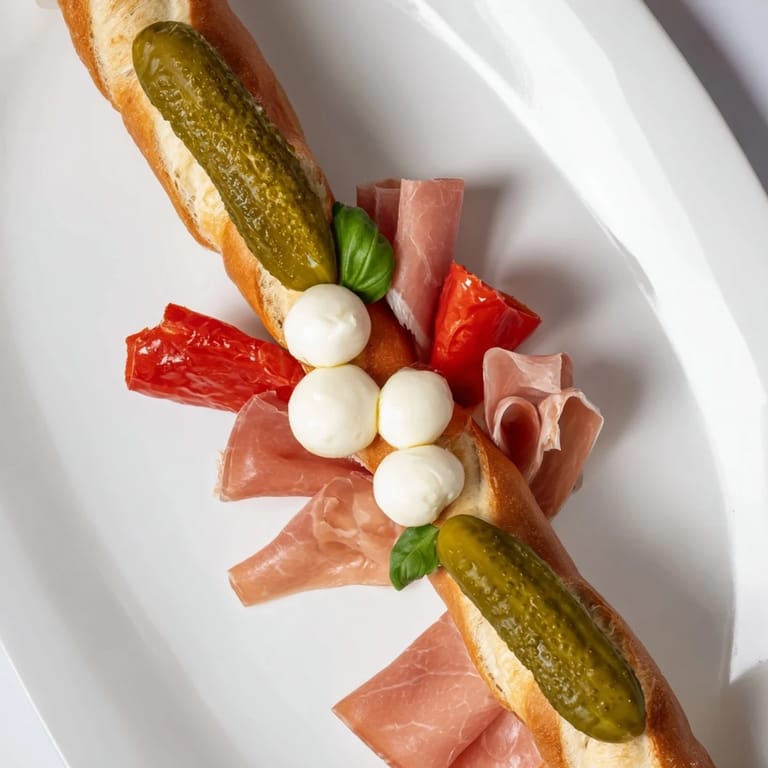
- 1 large breadstick (25–30 cm): This is your tree trunk, the anchor that everything radiates from. Choose one that's sturdy and won't wobble—a quality artisan breadstick makes all the difference in the visual impact.
- 6 slices prosciutto or vegetarian deli slices: These form your largest branches and add that elegant, salty richness. If you go vegetarian, try smoked tempeh or grilled portobello slices for that meaty depth.
- 6 mini mozzarella balls or small cheese cubes: Creamy, mild, and they catch the light beautifully on the platter. Fresh mozzarella is worth the splurge here.
- 6 baby pickles or gherkins: The bright pop of color and sharp tang that makes every bite interesting. These are non-negotiable for the visual contrast.
- 12 cherry tomatoes, halved: Ruby red jewels that form the second branch layer. Choose tomatoes that are ripe but still firm so they hold their shape.
- 12 thin cucumber slices: Cool, refreshing, and they provide the green that balances the warm tones of the meat and tomatoes. Slice them just before serving so they stay crisp.
- 12 green or black olives: Either works, but I prefer a mix for visual intrigue. They add a sophisticated, briny note that ties the whole platter together.
- 18 small basil leaves: Fresh basil is your smallest branch flourish—it adds aroma and freshness. Tear them gently just before arranging so they don't bruise.
- 18 roasted red pepper strips: These add color, sweetness, and a subtle smokiness. Use jarred roasted peppers if fresh aren't in season—they're honestly just as good.
- 18 small crackers or crostini: These are the tiniest branches, adding texture and substance. Choose ones sturdy enough to hold up but elegant enough not to feel like an afterthought.
Tired of Takeout? 🥡
Get 10 meals you can make faster than delivery arrives. Seriously.
One email. No spam. Unsubscribe anytime.
Instructions
- Build Your Foundation:
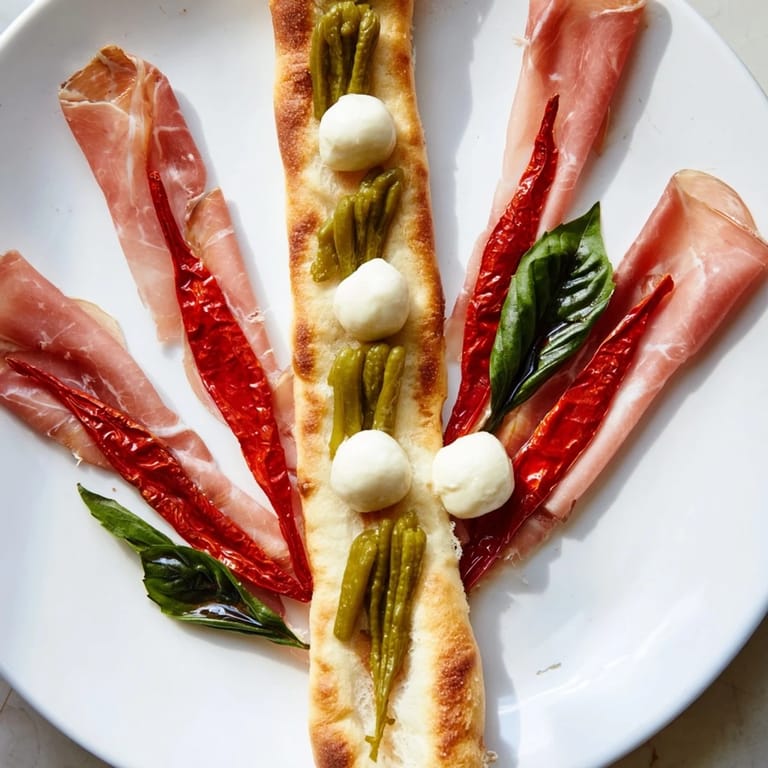
- Start with a large, clean platter—white or light-colored works best to let your ingredients shine. Place that beautiful breadstick right in the center, slightly off-vertical so it feels organic and alive rather than rigid. This is your anchor, so make sure it's stable.
- Create the Largest Branches:
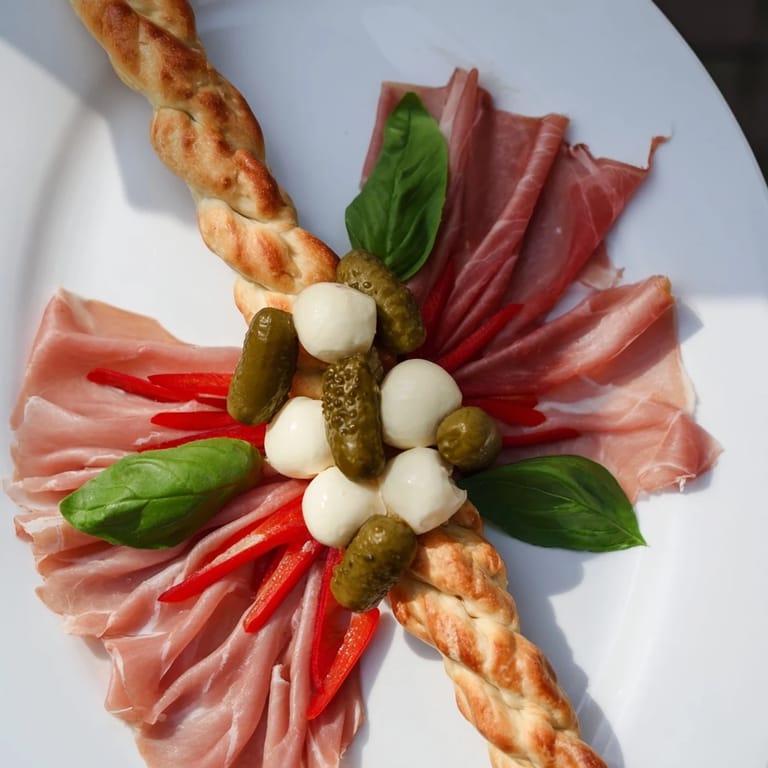
- Now comes the fun part. Take your prosciutto slices and gently fold or roll them. Arrange them radiating outward from the breadstick in a symmetrical pattern—think of how tree branches split. Pair each prosciutto slice with a mozzarella ball on one side and a baby pickle on the other. Space them so there's breathing room; you want to see the platter beneath. Step back and squint—does it feel balanced?
- Add the Second Layer:
- Working outward from where the first branches end, arrange your cherry tomato halves, cucumber slices, and olives in the same radiating pattern. This layer should be smaller and more tightly spaced than the first. The tomato halves catch light beautifully, so angle them cut-side up. Cucumber slices should overlap slightly, creating a scale-like effect.
- Fill In With the Smallest Branches:
- The final touch is the delicate work. Tuck your basil leaves, roasted red pepper strips, and crackers into the remaining spaces. These shouldn't be perfectly symmetrical—let them fill the negative space while continuing that tapering outward effect. A basil leaf here, a pepper strip there, a cracker filling a gap. This is where the fractal really comes alive.
- Step Back and Adjust:
- Before you serve, walk away and look at your work. Does the size progression feel natural? Are there any obvious gaps? Does it make you smile? Make small adjustments—nudge something that feels off-center, ensure the spiral or radial pattern is clear. This is your masterpiece.
- Serve With Intention:
- Place this platter at eye level where guests can't miss it. Maybe drizzle a little olive oil across the top and crack some black pepper over it for flavor and visual drama. Invite people to pick from the branches—encourage them to start at the smallest branches and work their way in toward the trunk.
 Pin
Pin What I love most about this platter is watching someone discover it and immediately understand the concept—there's something about fractals that speaks to our brains, a recognition of natural beauty arranged intentionally. It transforms the simple act of passing around appetizers into something guests will remember and talk about long after the party ends.
Playing With the Fractal Concept
Once you understand the core pattern, you can adapt this to any occasion or season. In winter, swap ingredients for roasted vegetables and aged cheeses. In summer, add fresh herbs, berries, and light seafood like smoked salmon. The skeleton of the recipe—that branching, radiating pattern—remains the same, but the personality changes completely. It's like learning to improvise a melody once you know the basic tune.
Making It Your Own
The beauty of this platter is that it invites customization without losing its visual magic. I've made versions for vegetarians using grilled vegetables and nuts, for carnivores with different cured meats, for health-conscious friends with mostly vegetables and hummus. Each time, the fractal pattern holds the composition together, giving it structure while allowing personality to shine through. The template is strong enough to support your creativity, not confine it.
Timing and Presentation Magic
The real secret to pulling off this platter isn't culinary skill—it's preparation and presentation timing. Prep all your ingredients the morning of your event, storing them in separate containers in the cool part of your fridge. Arrange the platter about 20 minutes before guests arrive, giving you time to make small adjustments and take a proud photo before anyone else sees it. Serve it on a platter elevated on a cake stand or small table so it becomes the focal point of the room, not lost on a side table. Pro tip: arrange it in good lighting, and if you're serving it at a cocktail party, position it where the light catches those bright tomatoes and shiny olives. One last thought—have small plates and napkins nearby because this is meant to be eaten with fingers, and that's half the fun. When you see someone pick a tiny basil leaf or a sliver of pepper like they're selecting treasure, you'll know you've created something special. Finally, don't stress about perfection; your joy and intentionality in arranging it will shine through more than any symmetrical precision.
- Chill all your components beforehand so the platter stays fresh and ingredients maintain their crispness.
- Use a bread knife to cut the breadstick cleanly so the base looks intentional, not rustic.
- Keep backup ingredients in your fridge in case someone's favorite items run out quickly.
 Pin
Pin This platter reminds me why I love cooking for others—it's not about technical skill or fancy techniques, it's about creating moments. The moment of discovery, the joy of abundance, the shared experience of gathering around something beautiful and made with intention. Every time you arrange these simple ingredients into a fractal tree, you're doing exactly that.
Recipe Q&A
- → How do I create the fractal branching effect?
Start with a breadstick as the 'trunk' in the center, then arrange ingredients in layers radiating outward with decreasing sizes to mimic natural tree branches.
- → Can I substitute the cured meats for vegetarian options?
Yes, replace prosciutto with additional cheeses or grilled vegetables to maintain flavor and texture balance.
- → What are good pairings for this platter?
Dry white wines or sparkling water complement the wide range of flavors and textures effectively.
- → How should I handle allergen concerns?
Use gluten-free breadsticks and crackers for gluten sensitivities, and substitute plant-based cheeses for dairy-free needs.
- → What tools do I need to prepare this platter?
A large serving platter and a sharp knife are essential; small bowls can help organize loose ingredients during assembly.
- → How long does the arrangement stay fresh?
For best presentation and freshness, prepare and serve immediately; chilled ingredients maintain texture and taste.