 Pin
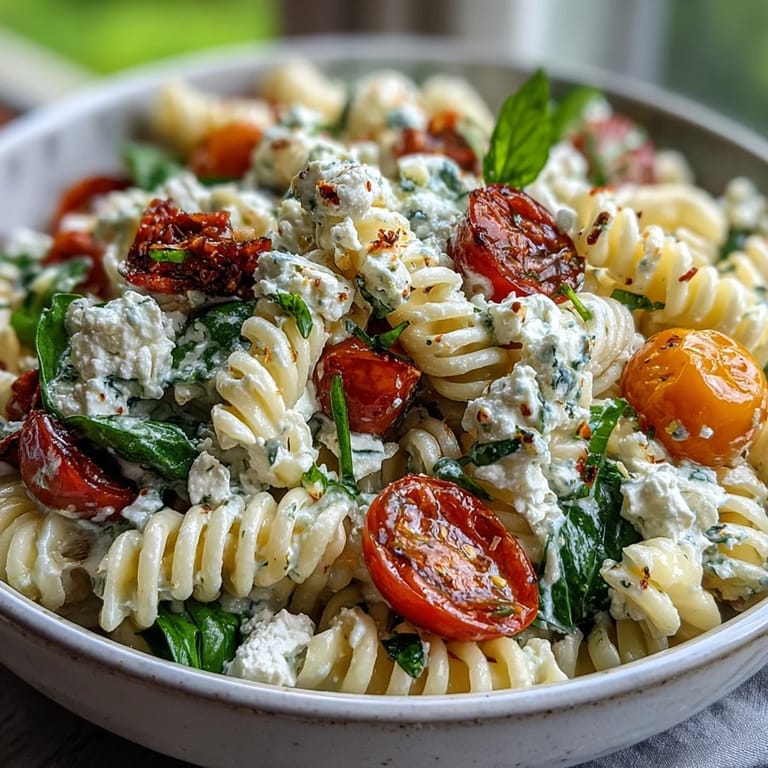
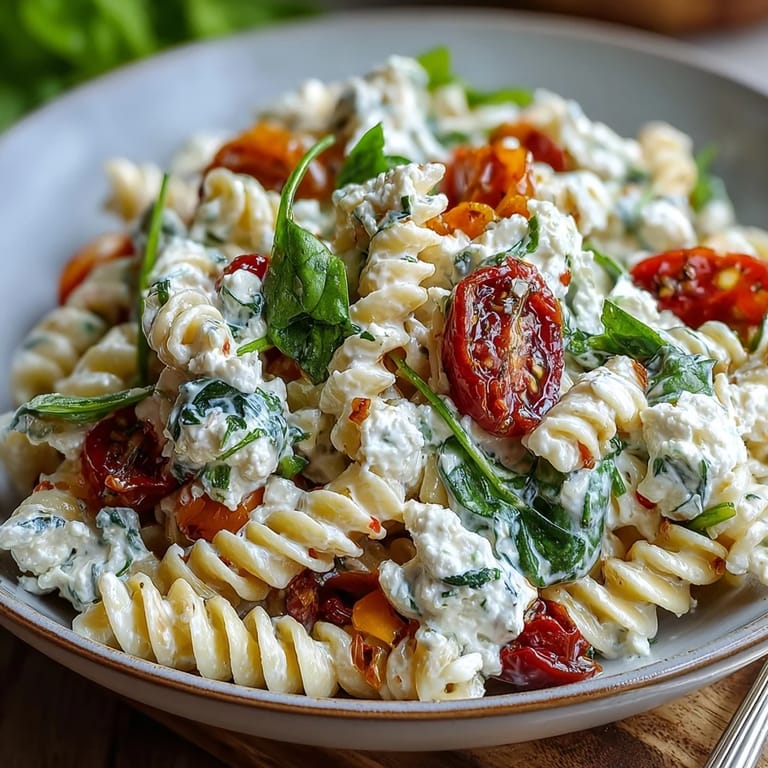
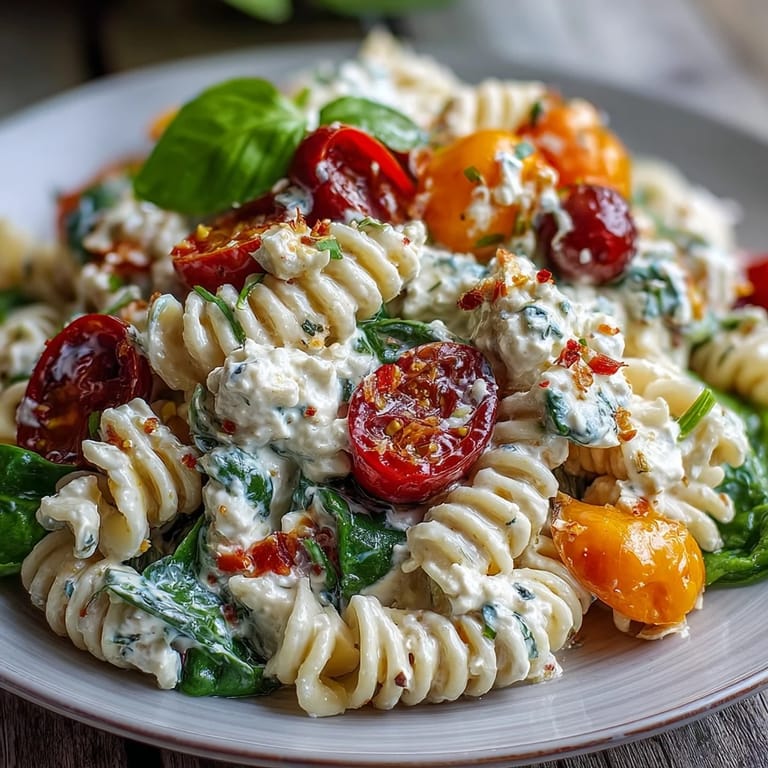
Pin I discovered this pasta salad by accident on a sweltering Tuesday when my fridge felt like a puzzle I couldn't solve. I had half a container of cottage cheese staring at me, some leftover pasta, and a bunch of vegetables that needed rescuing before they wilted completely. Instead of making the same old mayo-heavy pasta salad everyone brings to picnics, I grabbed what felt right that moment—lemon juice, good olive oil, fresh herbs—and something clicked. What emerged was light, filling, and honestly better than I expected, especially when I tasted the protein-packed bite of the cottage cheese mixed with cool pasta and crunchy vegetables.
Last summer, I brought this to my neighbor's backyard gathering, nervous because everyone else had brought their standard creamy salads. A woman I'd never met before came back for thirds and asked if I was holding out on the recipe, which made me laugh—suddenly I was explaining how cottage cheese isn't boring, it's just been hiding in plain sight. That conversation taught me that the best dishes are the ones that surprise people, not because they're complicated, but because they taste honest.
Ingredients
- Short pasta (350g / 12 oz, rotini, penne, shells, or farfalle): Choose whatever shape speaks to you; rotini and penne are my go-tos because they catch the dressing beautifully in their grooves and don't get soggy.
- Cottage cheese (250g / 9 oz, about 1 cup): This is your protein anchor—small curd gives you a smoother texture, large curd lets you feel those little pockets of creamy richness, so pick based on what your mouth actually wants.
- Cucumber (1 medium, diced): Dice it just before mixing so it stays crisp and juicy rather than weeping water into your salad.
- Red bell pepper (1, diced): The sweetness here balances the tang of the dressing, and the color is honestly half the appeal.
- Cherry tomatoes (200g / 7 oz, halved): Fresh cherry tomatoes make all the difference in summer; in winter, if they taste like water, consider skipping them entirely.
- Baby spinach (2 cups, roughly chopped): Chop it loosely so it doesn't get lost among the pasta, and add it just before serving if you're making this ahead so it doesn't turn dark and sad.
- Red onion (2 tbsp, finely diced, optional): Use this when you want a sharp bite that wakes up the whole bowl; skip it if you're sensitive to raw onion's intensity.
- Italian dressing (60ml / 4 tbsp, store-bought or homemade): This is your flavor foundation, so pick one you'd actually eat on a salad by itself.
- Extra-virgin olive oil (1 tbsp): Good oil matters here because it's not getting cooked—it's the silky finish that ties everything together.
- Lemon juice (1 tbsp, freshly squeezed): Fresh is essential; bottled tastes tinny and ruins the delicate balance of flavors.
- Dijon mustard (1 tsp): This little bit of sharpness keeps the dressing from tasting one-note and sweet.
- Garlic powder (1/2 tsp): Fresh garlic can overpower a cold salad, but the powder gives you that warmth without the punch.
- Dried oregano (1/2 tsp): Mediterranean herbs are a secret whisper in this dish—don't skip them.
- Salt and black pepper (to taste): Taste as you go because every brand of dressing carries different salt levels.
Tired of Takeout? 🥡
Get 10 meals you can make faster than delivery arrives. Seriously.
One email. No spam. Unsubscribe anytime.
Instructions
- Get your pasta ready:
- Bring a large pot of salted water to a rolling boil—you want it to taste like sea water so your pasta absorbs flavor as it cooks. Cook according to package directions until al dente, meaning it still has a slight resistance when you bite it. Drain it, rinse thoroughly with cold water (don't skip this step or you'll end up with a clumpy mess), and set it aside to cool completely.
- Prep your vegetables while pasta cooks:
- This is when you want to move fast and stay organized—dice your cucumber and bell pepper into roughly the same size so nothing dominates the bite, halve your cherry tomatoes, chop your spinach into loose pieces, and finely dice your red onion if you're using it. Having everything ready before you touch the dressing means you won't get stressed later.
- Build your dressing:
- Whisk together the Italian dressing, olive oil, lemon juice, Dijon mustard, garlic powder, and oregano in a large mixing bowl. This is where your salad's personality lives, so taste it as you go and adjust the salt and pepper until it makes you happy—it should feel bright and slightly sharp, not wimpy.
- Bring it all together:
- Add your cooled pasta, cottage cheese, and all your vegetables to the bowl with the dressing, then gently toss everything until every piece of pasta gets coated. This is not the time to be aggressive; you're looking for even distribution, not to crush the delicate vegetables or break up the cottage cheese clumps.
- Let it rest and chill:
- Refrigerate for at least 1 hour—this is when the magic happens, when all those flavors find each other and the pasta softens slightly while absorbing the dressing. Before serving, give it a good stir and taste it again; if it feels a bit dry, add a splash more dressing or lemon juice to bring everything back to life.
 Pin
Pin The moment I realized this salad had become something special was when my teenager, who normally picks at salads, started eating it straight from the storage container while doing homework. That's when I knew I'd stumbled onto something that works for real life, not just for impressing people at gatherings.
When Cottage Cheese Stops Being Scary
Cottage cheese gets a bad reputation, mostly from people who've only tried it straight from the container. But in a salad like this, where it's mixed with bright dressing, fresh vegetables, and pasta, it becomes something else entirely—creamy without being heavy, protein-rich without tasting like punishment. The beauty is that it doesn't overpower anything; it just makes everything better and keeps you full for hours afterward. If you're still nervous about texture, try blending a little of the cottage cheese with lemon juice and olive oil to create a smooth, creamy dressing base before mixing everything together.
Make It Yours
This salad is honestly a canvas—I've made it with arugula when spinach wasn't in the house, added grilled chicken on nights when I needed more protein, and swapped in ricotta thinned with a splash of milk when cottage cheese wasn't available. The vegetables are just suggestions too; snap peas, zucchini, and shredded carrots all work beautifully. The dressing holds everything together, so once you nail that, you can take creative risks without worrying about the whole thing falling apart.
Storage and Make-Ahead Magic
This salad is one of those rare dishes that actually improves when you make it ahead—the pasta continues to absorb the dressing and the flavors get deeper and rounder. It keeps well in the fridge for up to 3 days in an airtight container, which makes it perfect for meal prep when you're trying to stay on track during a busy week. The only rule is to add the spinach fresh or stir everything well before serving, since the vegetables will release some water that settles at the bottom.
- Stir well before serving: The dressing settles, so a quick toss brings everything back to life.
- Add pasta right before events: If you're traveling to a potluck, pack the salad and pasta separately, then combine just before serving to keep it from getting soggy.
- Keep extra dressing on the side: Every fridge pulls moisture from food differently, so bring a little extra to adjust the consistency at the last moment.
 Pin
Pin This salad has become my answer when someone asks what to bring to a gathering and I want to impress without stressing. It's the kind of dish that reminds you that good food doesn't have to be complicated—it just has to be honest.
Recipe Q&A
- → Can I use different pasta shapes?
Yes, short pasta shapes like rotini, penne, shells, or farfalle work well to hold the dressing and vegetables.
- → Is it necessary to chill the salad before serving?
Chilling for at least an hour helps the flavors meld and enhances the refreshing taste of the salad.
- → How can I make the salad creamier?
Blending the cottage cheese before mixing creates a smoother texture and a creamier dressing base.
- → Can I substitute cottage cheese with other dairy?
Ricotta thinned with a bit of milk or Greek yogurt can replace cottage cheese for a different creamy texture.
- → What are some optional add-ins to enhance flavor?
Shredded carrots, sliced black olives, and fresh basil or parsley add extra color and complexity.
- → Is this dish suitable for vegetarians?
Yes, it is vegetarian-friendly and rich in protein thanks to the cottage cheese and pasta.