 Pin
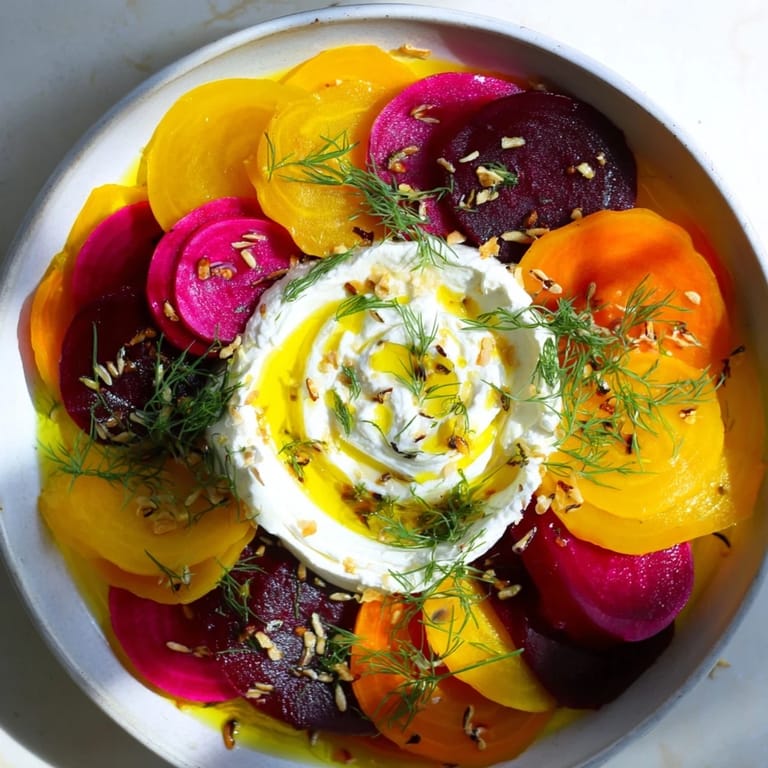
Pin I discovered the magic of this Radial Symmetry Sunburst while browsing through a gallery of food photography one quiet afternoon. The image caught me completely off guard—a plate so perfectly arranged it almost seemed too beautiful to eat. It reminded me of those stunning geometric patterns you see in nature, and I became obsessed with recreating it in my own kitchen. When I finally attempted it, slicing vegetables paper-thin and arranging them in concentric circles, I felt like I was painting with food. The moment my guests saw it, their faces lit up before they even tasted it. That's when I realized this dish was about so much more than flavor—it was about creating a moment of wonder.
I still remember the dinner party where I first served this. My friend Sarah, who's always impressed by elaborate presentations, actually gasped when she walked into the room. But what really got to me was watching everyone pause before eating it, pulling out their phones to photograph the plate. It felt like the sunburst had stopped time for a moment, and that's exactly what I wanted—for food to be an experience, not just sustenance.
Ingredients
- 1 medium golden beet, peeled and thinly sliced: Golden beets offer a subtle earthiness without the intense sweetness of their red cousins, and they won't bleed color everywhere. I learned the hard way to peel them under running water to keep your hands from looking tie-dyed.
- 1 medium red beet, peeled and thinly sliced: This is where the drama comes in visually—those deep crimson slices are what make people stop and stare. The earthiness pairs beautifully with the creamy cheese at the center.
- 1 small zucchini, thinly sliced: Zucchini brings a delicate green that feels fresh and summery. Slice it lengthwise for longer, more elegant pieces that fan out beautifully.
- 1 small yellow squash, thinly sliced: This adds a cheerful brightness and a slightly sweeter note than zucchini. The pale yellow creates visual balance against the deeper colors.
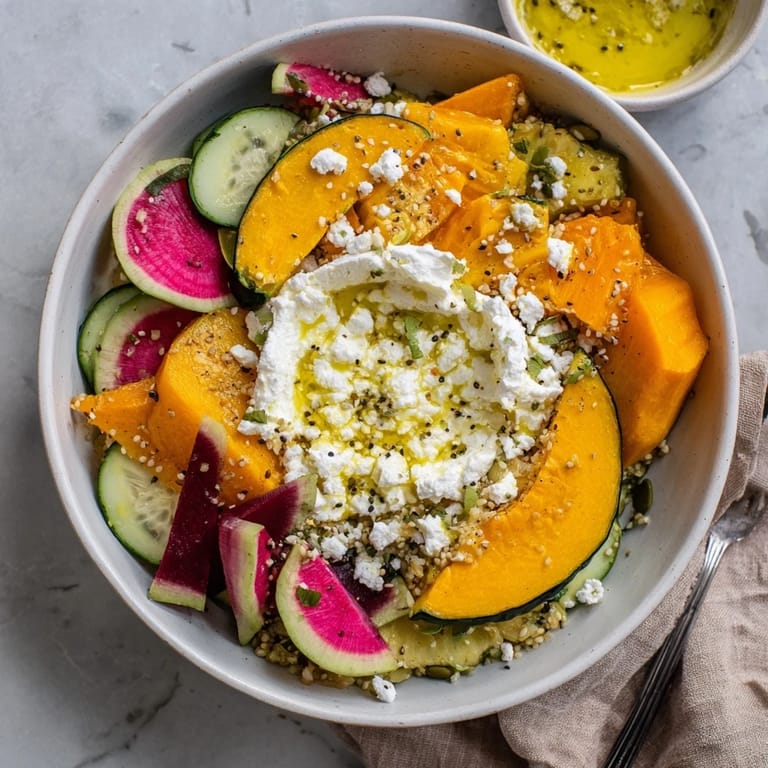
- 1 medium watermelon radish, thinly sliced: If you can find these, they're absolute magic—those concentric pink and white rings are nature's own sunburst pattern. They're a bit peppery, which adds complexity to each bite.
- 1 large carrot, peeled and thinly sliced: Carrots add natural sweetness and that gorgeous orange hue. I always use a vegetable peeler to create long ribbons that curve beautifully when arranged.
- 100 g goat cheese, crumbled: This is your anchor flavor—tangy, creamy, and elegant. It should be at room temperature so it's soft enough to mix with the crème fraîche but still holds its character.
- 2 tbsp crème fraîche: This keeps the cheese from being too dense while adding a luxurious texture. If you can't find it, a dollop of Greek yogurt works in a pinch, though the flavor will shift slightly.
- 2 tbsp extra-virgin olive oil: Use the best quality you have—this is raw, so it deserves to shine. The grassy, fruity notes matter here.
- 1 tbsp freshly squeezed lemon juice: Fresh is everything. Bottled just tastes sad in comparison, and this dressing is too simple to hide shortcuts.
- 1 tsp honey: This rounds out the acidity of the lemon and brings the vegetables into harmony. A tiny drizzle does wonders.
- Salt and pepper, to taste: Season the dressing generously—vegetables need a confident hand with salt to really sing.
- 2 tbsp fresh chives, finely chopped: Chives add a whisper of onion flavor and that delicate green garnish that says "I know what I'm doing."
- 1 tbsp toasted sesame seeds: These add a nutty crunch and visual texture. Toast them yourself in a dry pan for 2 minutes—the aroma is worth it alone.
- Edible flowers (optional): Pansies or nasturtiums make this feel like fine dining. They're optional, but they transform it into something truly special.
Tired of Takeout? 🥡
Get 10 meals you can make faster than delivery arrives. Seriously.
One email. No spam. Unsubscribe anytime.
Instructions
- Slice your vegetables paper-thin:
- This is where a mandoline becomes your best friend, though a very sharp knife works too. The thinner your slices, the more elegant they look and the better they conform to the circular arrangement. I aim for slices so thin I can almost see through them. As you slice, lay each type on a separate plate—this makes arranging so much smoother and keeps your colors organized.
- Map out your center point:
- Place that small bowl or ramekin right in the middle of your round platter. This is your north star. Everything radiates from here. Step back and make sure it feels centered to your eye, not just mathematically—sometimes visual balance matters more than perfect geometry.
- Begin the sunburst arrangement:
- This is the meditative part. Start with your first vegetable type, fanning slices outward from the center in one continuous spiral or concentric circle. I like to work clockwise, overlapping each slice just enough that you see a bit of the one beneath it. The overlapping creates movement and flow. Once you've completed one ring, switch to the next vegetable color and repeat. The contrast between colors is what makes this sing visually.
- Fill the center with cheese:
- Once your vegetables are arranged in their perfect rays, remove that central bowl. Now comes the grand finale—spoon your goat cheese and crème fraîche mixture into the center. Make it slightly mounded so it's the focal point, the heart of your sunburst. It should look intentional and beautiful.
- Make your dressing:
- In a small bowl, whisk the olive oil, lemon juice, and honey together until they're emulsified and smooth. This only takes a minute. Taste it and season with salt and pepper—be generous. A good dressing should make you want to lick the plate.
- Drizzle with care:
- Using a spoon or squeeze bottle, drizzle the dressing evenly over the vegetables, making sure some of it pools slightly around the cheese in the center. Don't oversaturate—you want the vegetables to stay slightly firm, not soggy.
- Finish with grace:
- Scatter the chives over the top, followed by the toasted sesame seeds. If you're using edible flowers, place them strategically in the spaces between vegetables—think of it as the final brushstroke on a painting. Step back and admire what you've created.
- Serve immediately:
- This dish is best enjoyed fresh, while the vegetables still have their crispness and the colors feel alive. It's a showstopper meant to be presented before it gets too dressed.
 Pin
Pin What touched me most was when my eight-year-old nephew asked if we could make this together for his school art project to show his class. He didn't see it as just food—he saw it as edible art. We arranged vegetables side by side, and he was so careful, so focused. That's when I understood that this sunburst isn't about impressing people with your cooking skills. It's about creating something that makes people feel something, something that reminds them that food and beauty aren't separate things.
The Art of Raw Vegetable Preparation
Working with raw vegetables at this level of precision taught me to respect them in a whole new way. Each vegetable has its own personality—some are watery and need to be sliced closer to serving time, while others like beets are more forgiving. I've learned that the best vegetables for this kind of presentation are ones with natural color and structure. Root vegetables like beets and carrots are your friends because they hold their shape and color beautifully. Softer vegetables like zucchini and squash are more delicate but create that layered, flowing effect that makes it feel less like a salad and more like sculpture. The secret is understanding which vegetables contribute visual drama and which contribute textural interest—you need both for this to work.
Building Flavor Harmony in a No-Cook Dish
Because nothing is cooked here, every element has to pull its weight in the flavor department. The dressing is your unifier—it's what brings all these disparate vegetables together and makes them taste intentional rather than random. I've learned to taste as I go, adjusting the honey up if things feel too acidic, or adding more lemon if the dish feels flat. The goat cheese in the center acts as a flavor anchor, its tanginess playing against the natural sweetness of the vegetables. This is why I'm particular about using good olive oil—in a raw preparation like this, quality ingredients aren't a luxury, they're the foundation of the whole experience.
Variations and Personal Touches
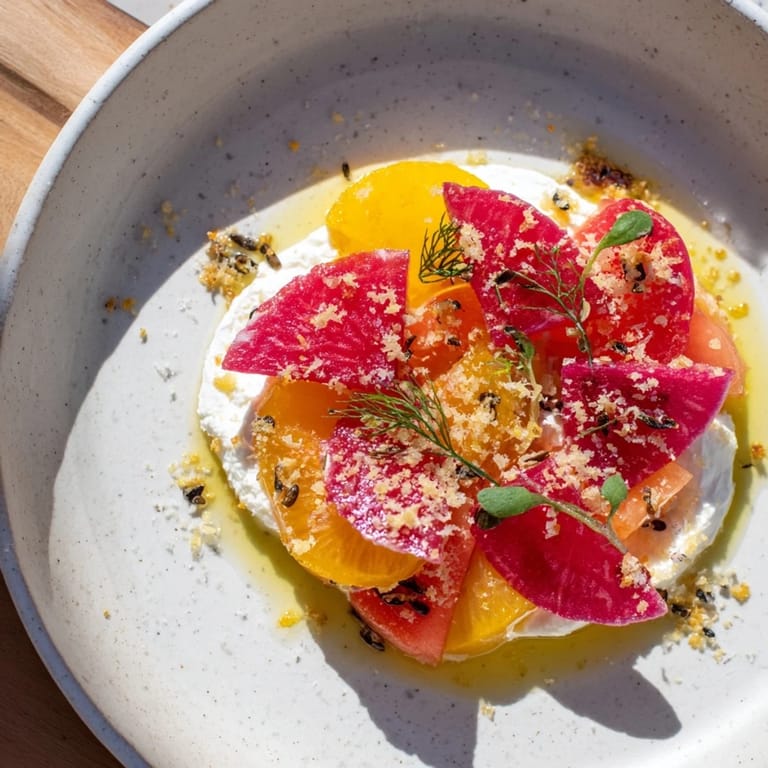
This is the beautiful part—once you understand the structure, you can adapt it to whatever's in season or what speaks to you. In spring, I've used paper-thin radishes and snap peas. In summer, cucumbers and heirloom tomatoes work beautifully. I've replaced the goat cheese with creamy burrata for a more luxurious version, or even whipped ricotta when I wanted something lighter. The framework stays the same—alternating colors, radiating from the center, a creamy element in the middle—but the ingredients become a conversation with what's fresh and available. I once used pomegranate seeds scattered throughout for both color and a tart crunch, which completely elevated the whole dish. The point is, this isn't a rigid recipe—it's a template for creating edible art.
- Try different cheeses like creamy burrata, whipped ricotta, or tangy feta depending on your mood and what you're serving alongside
- Experiment with heirloom varieties of beets and carrots from farmers markets—their unusual colors create even more visual interest
- Consider seasonal flowers or microgreens as final garnishes for extra elegance
 Pin
Pin This Radial Symmetry Sunburst taught me that sometimes the most impressive dishes are the ones that take no cooking, only intention and care. It's become my go-to when I want to create a moment of pure beauty at the table.
Recipe Q&A
- → What vegetables are best for achieving the sunburst effect?
Thinly sliced golden and red beets, zucchini, yellow squash, watermelon radish, and carrot provide contrasting colors and textures ideal for the radial arrangement.
- → How do I slice vegetables thinly and evenly?
Using a sharp knife or mandoline ensures uniform thin slices, which are essential for the layered, symmetrical sunburst presentation.
- → Can I substitute the cheese used in this dish?
Yes, ricotta or feta can replace goat cheese for a different flavor profile while maintaining the creamy center.
- → What dressing complements the sunburst arrangement?
A light dressing made from extra-virgin olive oil, lemon juice, honey, salt, and pepper enhances the fresh vegetable flavors without overpowering them.
- → Are there garnish options to elevate the salad visually?
Fresh chives, toasted sesame seeds, and edible flowers add texture, aroma, and color contrast to complete the elegant centerpiece.