 Pin
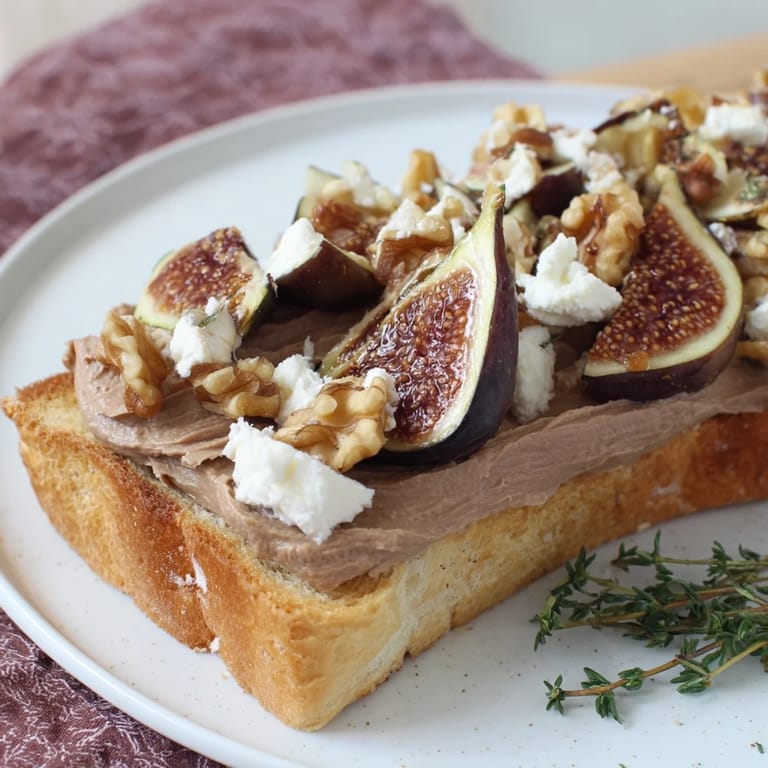
Pin There's a moment when you're arranging something beautiful on a platter and you suddenly realize you're not just feeding people—you're telling a story. That's what happened when a friend described this elegant appetizer, and I became obsessed with how the layers of pâté, figs, and cheese could feel both effortless and intentional. The name itself—The Royal Tapestry—spoke to something I wanted to create: something that looked like it took hours but came together in minutes, something that tasted like a French bistro but felt like home.
I made this for a dinner party on a cold November evening, and what struck me most was watching people's faces light up as they realized they could compose their own perfect bite—a little more cheese here, extra walnuts there. It became less about me as the host and more about them discovering their favorite balance of flavors. That's when I knew this recipe was special.
Ingredients
- Duck or Chicken Liver Pâté (200 g): This is your flavor anchor—choose one that's smooth and rich, not grainy, because it'll be the first thing people taste when they bite down.
- Dried Figs, Thinly Sliced (120 g): The sweetness here is crucial; it balances the earthiness of the pâté and catches the light beautifully on the platter.
- Soft Goat Cheese, Room Temperature (80 g): Room temperature is non-negotiable—cold cheese won't spread, and you'll fight with it; warm it on the counter for 30 minutes before you start.
- Toasted Brioche or Gluten-Free Crackers (12 slices): Toasting matters because it gives you structure; soft bread collapses under the weight of toppings and loses its appeal.
- Toasted Walnuts, Roughly Chopped (40 g): The texture contrast here is what makes people pause and notice—toast them yourself if you can, the smell alone is worth it.
- Fresh Thyme Sprigs (for garnish): Don't skip this; the herbal green against the deep browns and whites is what makes the whole thing feel intentional.
- Fig Jam, Optional (2 tbsp): A drizzle adds moisture and another layer of fig flavor, but it's the one thing you can genuinely skip if you prefer drier toppings.
Tired of Takeout? 🥡
Get 10 meals you can make faster than delivery arrives. Seriously.
One email. No spam. Unsubscribe anytime.
Instructions
- Build Your Foundation:
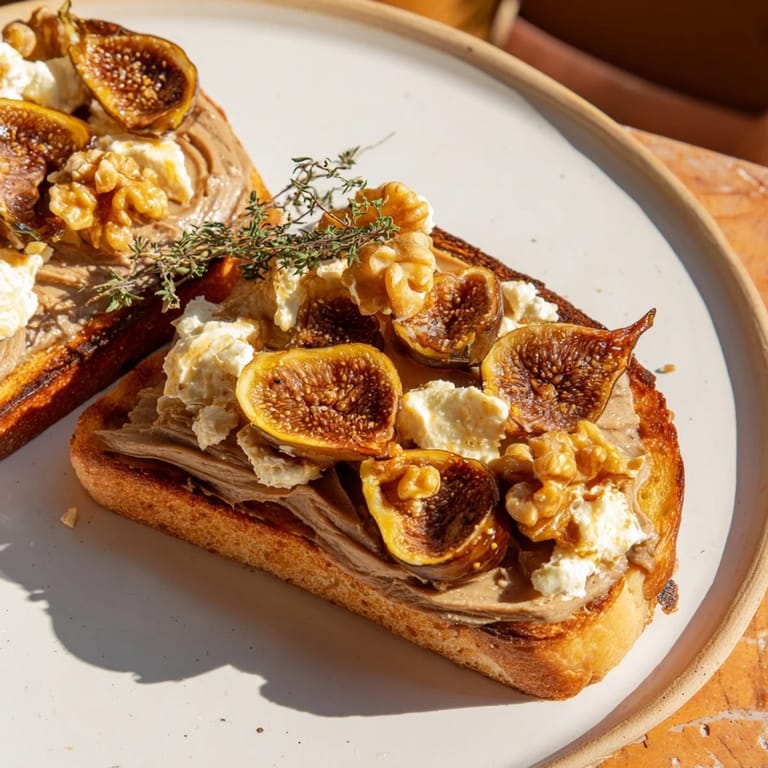
- Arrange the toasted brioche slices or crackers on your platter in an overlapping pattern, like roof tiles or a tapestry—this isn't just pretty, it's practical because it keeps each piece stable and gives you clear real estate for toppings. Work from one end to the other so your pattern stays intentional.
- Spread the Pâté Generously:
- Using a small spatula or butter knife, spread a thick layer of pâté on each piece, right to the edges—this layer holds everything together and makes sure no bite tastes dry or bare. Don't be shy here; pâté is the hero.
- Layer the Figs:
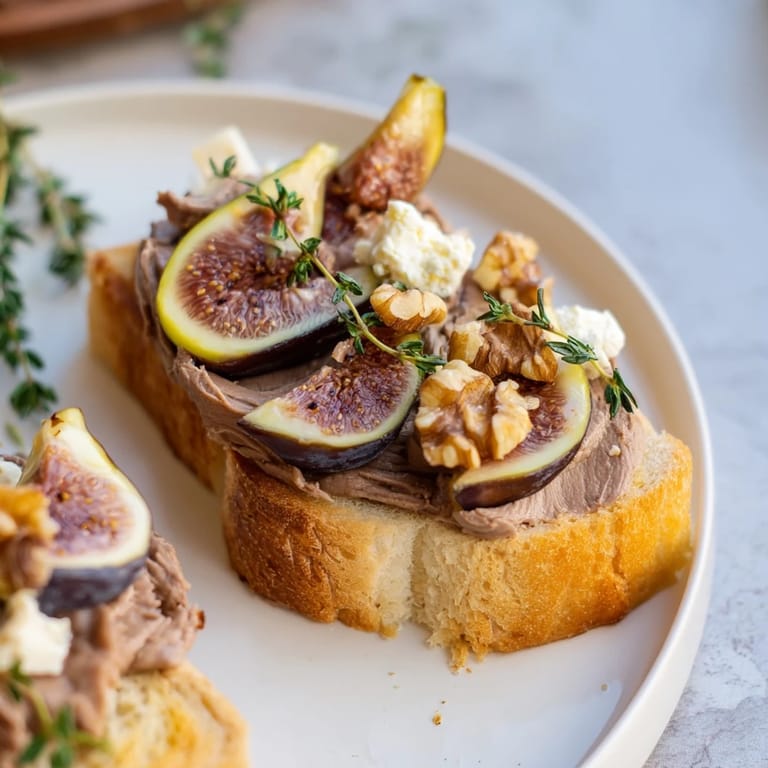
- Distribute the thinly sliced dried figs across the pâté, trying to give each piece at least one or two slices for visual drama and taste consistency. The figs should slightly overlap to create that rich color contrast the dish needs.
- Tuck in the Goat Cheese:
- Spoon small dollops of room-temperature goat cheese across the platter, nestling them between and on top of the figs—think of it as scattered jewels rather than a uniform coating. Each bite that includes cheese becomes a different experience.
- Add Texture and Warmth:
- Sprinkle the chopped toasted walnuts over everything, focusing on gaps and creating visual balance—the walnuts add crunch and an earthy note that grounds all the sweetness. Don't crush them too small or they'll disappear into the other flavors.
- Finish and Garnish:
- If using fig jam, drizzle it sparingly over sections of the platter—too much and it's sticky and overwhelming, just enough and it adds a glossy, luxurious finish. Scatter thyme sprigs across as a final touch of green and herbaceous aroma.
- Serve with Intention:
- Bring the platter to the table while everything is fresh and urge guests to mix and match the layers—this isn't just an appetizer, it's an invitation to play with flavors.
 Pin
Pin What I remember most clearly is a friend closing her eyes after her first bite and saying something like 'I didn't know quiet moments could taste this good.' That's the magic of this dish—it demands you slow down and notice the interplay of flavors instead of rushing through it.
Choosing Your Pâté Wisely
The pâté you choose sets the entire tone, and I've learned this through trial. A coarse, chunky pâté can feel rustic and homey, which works beautifully if you're going for comfort; a smooth, silky pâté feels more elegant and pairs better with the delicate figs and goat cheese. If you can, visit a proper butcher or delicatessen rather than grabbing a mass-produced version from the supermarket—the flavor depth is completely different, and your guests will taste the difference immediately.
Wine Pairing and Table Moments
This dish was designed with wine in mind, and pairing it thoughtfully makes the whole experience richer. A chilled Sauternes brings out the sweetness of the figs and softens the pâté's intensity, while a fruity red wine—think a light Pinot Noir or a Côtes du Rhône—adds earthiness and structure. I've found that when guests have the right wine beside this platter, they linger longer, taste more mindfully, and conversations naturally deepen. It's not just about flavor; it's about creating a moment.
Variations and Creative Substitutions
Once you understand the architecture of this dish, you can play with it without losing its soul. Mushroom pâté brings an earthy, umami richness if you're cooking vegetarian, and honestly, some people prefer it to liver pâté because it feels lighter. Blue cheese instead of goat cheese transforms the whole vibe from gentle and refined to bold and assertive—it's not better or worse, just different, and it appeals to people who love intense flavors. I've even experimented with substituting candied orange peel for some of the figs, or adding a thin spread of apple butter under the pâté for tartness. The point is that once you've made this dish once and felt how it all fits together, you can trust your instincts to adjust it.
- For a vegetarian version, mushroom pâté captures the earthy depth of liver without the meat.
- Blue cheese creates a bolder flavor profile that stands up beautifully against crispy crackers.
- Candied citrus or apple butter add unexpected brightness if you want to surprise people with familiar flavors turned slightly unfamiliar.
 Pin
Pin This recipe taught me that sometimes the most elegant dishes are the ones that taste unhurried and unforced, where every component speaks clearly and nothing overwhelms. Make it when you want to show people you care enough to think about their experience, not just fill their stomachs.
Recipe Q&A
- → What type of pâté works best for this dish?
Duck or chicken liver pâté provides a rich, smooth base that pairs well with the sweetness of figs and tartness of goat cheese.
- → Can I make this appetizer gluten-free?
Yes, substitute toasted gluten-free crackers in place of brioche to accommodate gluten-free diets.
- → What are good alternatives to goat cheese?
Blue cheese or cream cheese offer distinct flavor profiles that complement the figs and pâté when goat cheese is unavailable.
- → How do dried figs contribute to the dish?
Dried figs add natural sweetness and chewy texture that balances the savory richness of pâté and the creaminess of cheese.
- → Is fig jam essential for the flavor?
While optional, fig jam enhances sweetness and ties together the flavors, adding a luscious glaze to the layers.