 Pin
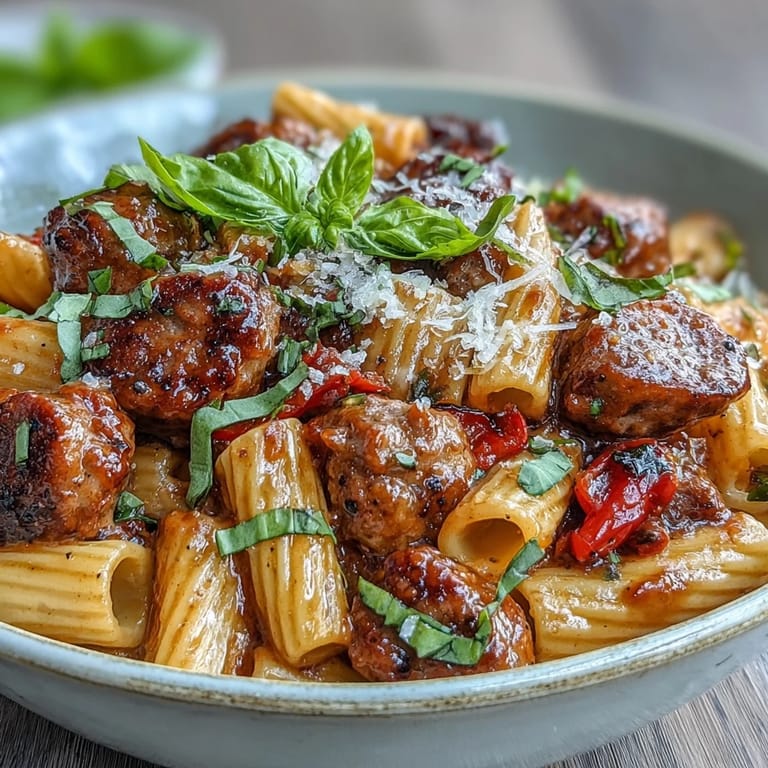
Pin There's something about a rainy Wednesday evening that made me crave something warm and substantial, so I threw together sausage, red wine, and pasta in a single pot and watched it transform into something I couldn't stop eating. My kitchen filled with the smell of browned sausage and garlic, and by the time I added that splash of red wine, I knew I'd stumbled onto something special. The soy sauce was an accident—I'd grabbed it thinking it was Worcestershire—but it added this subtle umami depth that made the whole dish sing. My partner came home halfway through cooking and just stood by the stove, inhaling deeply without saying anything, which told me everything. Now this one-pot wonder is what I make when I want to feel like I've done something impressive without actually spending much time in the kitchen.
I made this for friends who were skeptical about cooking pasta in broth rather than boiling it separately, and watching their faces when they tasted it was worth the small risk of their doubt. The creamy sauce clung to every piece of pasta, and the Parmesan melted into something almost luxurious, all without the fussiness of traditional methods. Someone asked for the recipe before dessert was even served, which felt like the highest compliment possible.
Ingredients
- Italian sausage (400 g): Remove it from the casings before cooking so it breaks into smaller pieces that distribute flavor throughout the dish—browning it properly is your foundation.
- Onion, garlic, and red bell pepper: These aromatics create the base of flavor, and dicing them finely helps them soften quickly and blend seamlessly into the sauce.
- Canned chopped tomatoes (400 g): They provide acidity and body; canned works beautifully here and saves you the time of fresh tomato prep.
- Short pasta (300 g): Penne, rigatoni, or fusilli all work equally well because they trap the creamy sauce in their ridges and curves.
- Dry red wine (120 ml): A wine you'd actually drink makes a real difference—the alcohol cooks off but the flavor remains, adding complexity that cheap wine can't provide.
- Chicken or vegetable broth (700 ml): Low-sodium is essential so you can control the salt level as you go, preventing an overly salty final dish.
- Heavy cream (120 ml): This is what transforms the broth into a luxurious sauce, coating each piece of pasta.
- Parmesan cheese (40 g): Freshly grated melts more smoothly than pre-shredded, which often contains anti-caking agents that can make the sauce grainy.
- Soy sauce (2 tbsp): This sneaky ingredient adds umami depth that rounds out the tomato and wine flavors in ways people can't quite identify.
- Oregano, chili flakes, and black pepper: They season without overwhelming, and the chili flakes are optional unless you want a gentle kick.
- Fresh basil or parsley: A bright, final flourish that cuts through the richness and adds color.
Tired of Takeout? 🥡
Get 10 meals you can make faster than delivery arrives. Seriously.
One email. No spam. Unsubscribe anytime.
Instructions
- Brown the sausage:
- Heat your pot over medium and add the sausage, breaking it apart as it cooks until it's golden and fully cooked through, about 5–6 minutes. Listen for that gentle sizzle and watch for the meat to lose its pink color completely.
- Build the flavor base:
- Add the onion, garlic, and red pepper, stirring often until they're soft and fragrant, around 3–4 minutes. Your kitchen should smell incredible at this point.
- Deglaze with wine:
- Pour in the red wine and scrape up all those browned bits stuck to the bottom—that's pure flavor. Let it bubble gently for 2 minutes so the alcohol cooks off and the wine reduces slightly.
- Combine the rest:
- Stir in the tomatoes, broth, soy sauce, oregano, chili flakes if you're using them, and black pepper. Everything should smell warm and inviting.
- Cook the pasta in the pot:
- Add the uncooked pasta straight in, pushing it down so it's mostly covered by liquid. Bring to a gentle boil, then turn the heat to medium-low, cover, and cook for 12–15 minutes, stirring occasionally, until the pasta is tender and the liquid is mostly absorbed.
- Finish with cream:
- Stir in the heavy cream and Parmesan, letting everything come together for 2–3 minutes uncovered. The sauce should coat the pasta like a silky blanket.
- Taste and adjust:
- Add salt if needed—taste first before automatically salting, since both the sausage and Parmesan bring saltiness already.
- Serve with garnish:
- Ladle into bowls and top with fresh basil or parsley for brightness and color.
 Pin
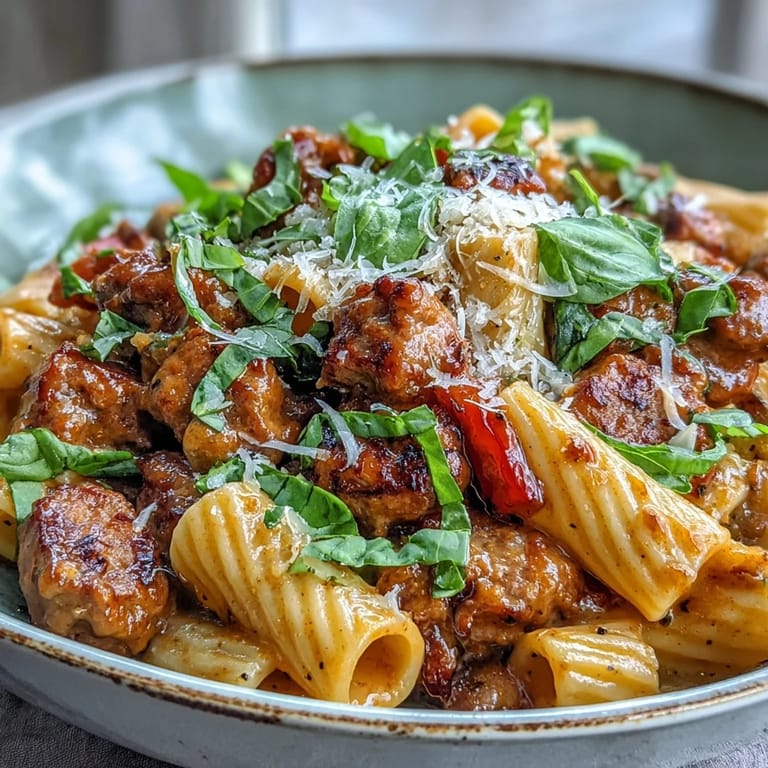
Pin This dish taught me that Italian cooking doesn't always have to follow tradition to be delicious, and that sometimes the best meals come from small experiments and happy accidents. It's become the meal I reach for when I want comfort without compromise.
Why One-Pot Cooking Changes Everything
Cooking pasta directly in broth instead of a separate pot means the pasta absorbs all that flavor rather than just boiling in plain water, so every bite tastes intentional. You also get a naturally creamy sauce from the starch the pasta releases, which helps the cream coat everything evenly. The whole process feels less like cooking and more like watching something delicious happen.
The Secret of Sausage in Cream Sauce
The initial browning of the sausage creates fond on the bottom of the pot—those caramelized bits that look like they'll be a mess but actually hold all the savory flavor you need. When you deglaze with wine, you're pulling all that richness into the liquid, creating a sauce that tastes far more complex than its few ingredients suggest. This is why that first step matters so much: it's the difference between a good dish and one people actually remember.
Making It Your Own
This recipe is a template that welcomes your changes, whether that's swapping sausage types, adding mushrooms or spinach, or adjusting the heat level. I've made it with turkey sausage when I wanted something lighter, and with an extra splash of cream when I was in the mood for pure indulgence. The beauty is that the core technique stays the same no matter what you adjust.
- If you prefer a lighter version, use half the cream or substitute with milk or Greek yogurt.
- Add fresh spinach or mushrooms in the last few minutes of cooking for extra vegetables without changing the technique.
- Trust your instincts on seasoning—taste and adjust as you go rather than following the amounts blindly.
 Pin
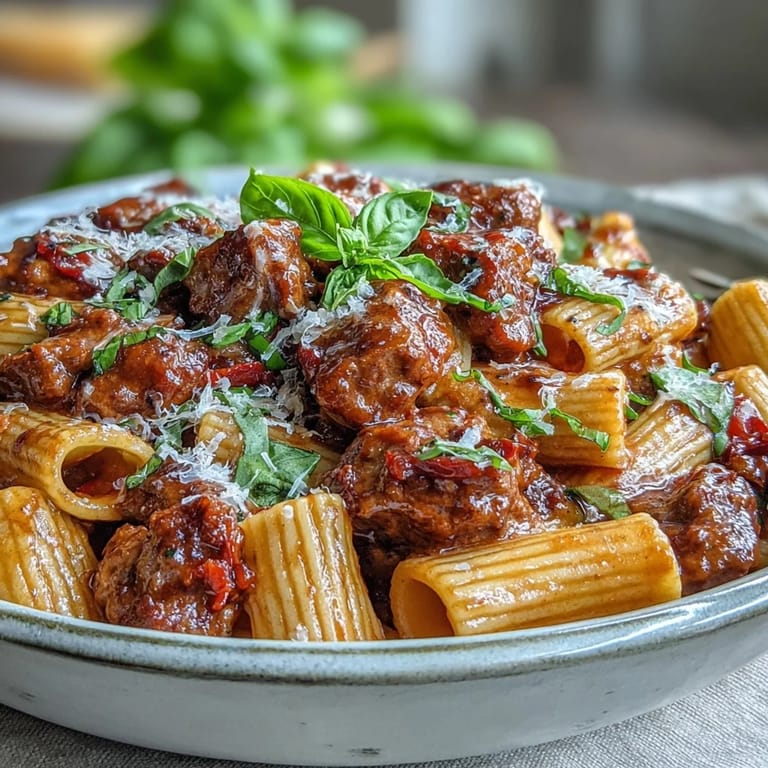
Pin This one-pot wonder has become my answer to weeknight dinners that feel special without requiring special effort. It's the kind of dish that reminds you why you love cooking in the first place.
Recipe Q&A
- → Can I use different pasta shapes?
Yes, any short pasta works well here. Penne, rigatoni, fusilli, or even macaroni will all capture the creamy sauce beautifully.
- → What type of red wine should I use?
Choose a dry red wine you enjoy drinking. Chianti, Pinot Noir, or Merlot work wonderfully. Avoid sweet wines as they'll alter the sauce's balance.
- → Can I make this lighter?
Substitute turkey sausage or plant-based sausage. You can also use half-and-half instead of heavy cream, though the sauce will be less rich.
- → Why add soy sauce to pasta?
Soy sauce adds depth and umami without tasting Asian. It enhances the savory notes and balances the cream's richness.
- → How do I store leftovers?
Refrigerate in an airtight container for up to 3 days. The pasta will absorb more sauce, so add a splash of broth or cream when reheating.
- → Can I freeze this dish?
Freezing isn't recommended as the cream may separate. The pasta texture also suffers after freezing. Best enjoyed fresh or refrigerated.