 Pin
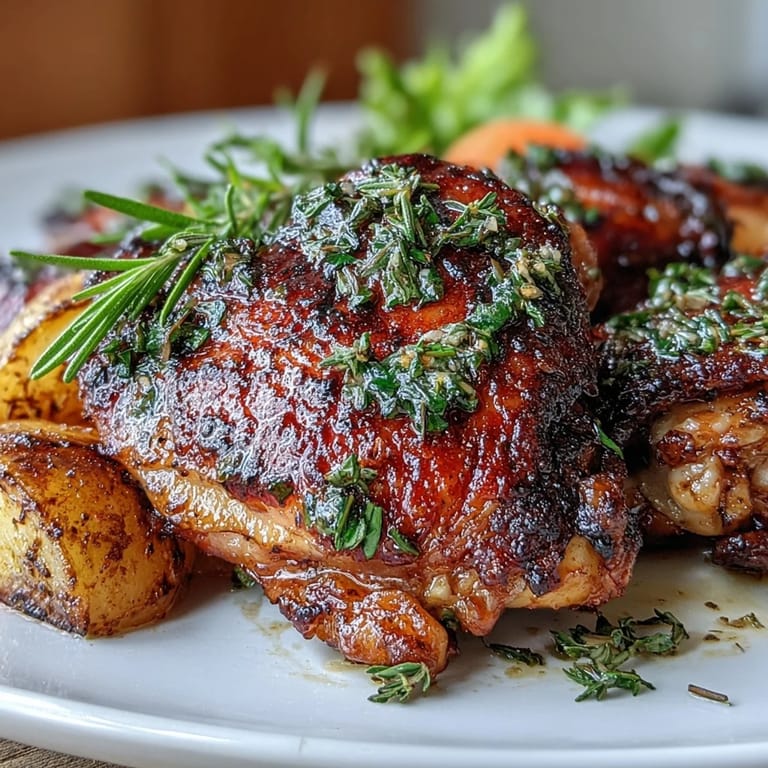
Pin There's something deeply satisfying about roasting chicken thighs on a single tray—no fussy plating, no dozen dirty pans at the end of dinner. I stumbled onto this particular combination on a crisp autumn evening when I realized my vegetable drawer was getting desperate, and somehow the humble potato, carrot, and onion transformed into something golden and aromatic that had my kitchen smelling like a proper restaurant. The chicken thighs, with their fatty skin that crisps up beautifully, absorbed all those herbs while keeping the meat inside impossibly juicy. It's become my go-to when I want to feel like I've actually cooked something impressive without the stress.
I made this for my neighbor Sarah when she dropped by unexpectedly on a Thursday night, and watching her face light up when she bit into a piece of crispy skin was honestly worth more than any dinner party compliment. She kept asking what restaurant had delivered it, and I realized how little credit we give ourselves for simple, honest food done well. That's when this recipe shifted from being just a weeknight dinner to something I actually take pride in.
Ingredients
- Bone-in, skin-on chicken thighs (8 pieces, about 1.2 kg): The skin renders fat into the pan, keeping everything moist while turning golden brown, and the bone adds serious flavor to the whole tray.
- Baby potatoes (500 g, halved): Halving them ensures they cook through in the same time as the chicken, and the flat sides get beautifully caramelized.
- Carrots (350 g, cut into 4 cm pieces): Chunky pieces won't turn into mush, and they absorb the herb flavors like a sponge.
- Red onion (1 medium, cut into wedges): The slight sweetness of red onion balances the savory herbs, and the layers stay intact during roasting.
- Garlic cloves (4, smashed): Smashing releases the essential oils—don't bother peeling them, the soft insides squeeze right out when cooked.
- Olive oil (3 tbsp): Use a good quality oil; it's one of the few flavoring agents doing heavy lifting here.
- Salt and black pepper (1 tsp salt, 1/2 tsp pepper): Season both the vegetables and chicken separately so each layer gets its own flavor.
- Dried thyme, rosemary, oregano (1 tsp each): This trio is the backbone—dried herbs actually work better here than fresh because they concentrate as things cook.
- Smoked paprika (1/2 tsp): A small amount adds depth and a hint of smokiness without overpowering anything.
- Lemon zest (from 1 lemon): The zest hits your nose with bright acidity that cuts through the richness beautifully.
- Fresh parsley (2 tbsp, chopped): A garnish that looks intentional and tastes fresh against all those roasted flavors.
Tired of Takeout? 🥡
Get 10 meals you can make faster than delivery arrives. Seriously.
One email. No spam. Unsubscribe anytime.
Instructions
- Heat your oven and prepare the stage:
- Get your oven to 220°C (425°F) and line a large baking tray with parchment paper or a light grease. A hot oven is your secret weapon for crispy skin and caramelized vegetables.
- Coat the vegetables with oil and herbs:
- In a large bowl, toss potatoes, carrots, onion, and garlic with half the olive oil, half the salt and pepper, and half the dried herbs. Spread them in a single layer on your tray—overcrowding is the enemy of browning, so give them room to breathe.
- Prep the chicken with intention:
- Pat your chicken thighs completely dry with paper towels; any moisture clinging to the skin will steam instead of crisp. Rub them generously with the remaining olive oil, salt, pepper, herbs, smoked paprika, and lemon zest, making sure to coat both the skin and any crevices.
- Arrange everything on the tray:
- Nestle the seasoned chicken thighs skin-side up among the vegetables. The skin should face the heat so it renders and crisps while the chicken cooks through underneath.
- Roast until skin is golden and meat is cooked:
- Place the tray in your preheated oven for 40 to 45 minutes. Halfway through, give the vegetables a stir so they brown evenly on all sides. The chicken is done when the skin is deeply golden and the internal temperature hits 74°C (165°F).
- Rest and garnish before serving:
- Let the tray sit out of the oven for 5 minutes—this allows the juices to settle back into the meat. Sprinkle fresh parsley over everything just before bringing it to the table.
 Pin
Pin This is the meal I reach for when someone I care about is going through a rough patch or when we just need something real and nourishing without any fuss. There's something about a roasted tray of chicken and vegetables that feels like edible comfort, honest and straightforward.
Why Chicken Thighs Win
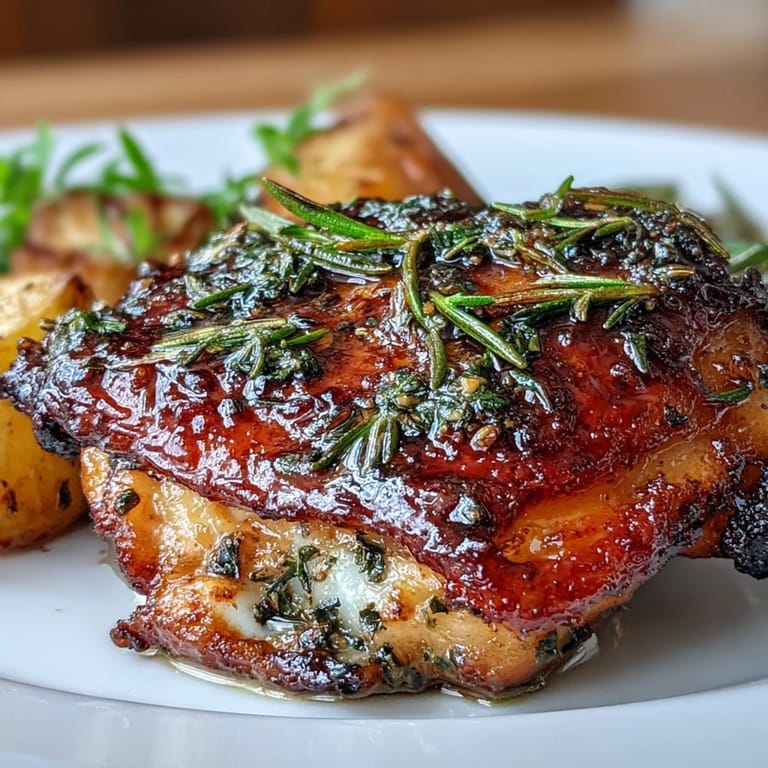
Thighs are the most forgiving part of the chicken because they have enough fat to stay moist even if you cook them a few minutes longer than planned. The skin crisps up in a way that chicken breasts never manage, and the meat pulls off the bone with almost no effort once it's cooked through. I stopped buying chicken breasts years ago, and this recipe is exactly why.
Vegetables That Actually Taste Like Something
When vegetables roast in the fat that renders from the chicken, something magical happens—they stop tasting like side dish and start tasting like the main event. The carrots become sweet and tender, the potatoes develop a crispy exterior while staying creamy inside, and the onion caramelizes into something almost candy-like. I've started experimenting with different vegetable combinations, and honestly, you could swap in almost anything that takes similar cooking time.
Timing and Temperature Matters
A hot oven is essential for rendering the chicken skin properly and getting that Maillard reaction happening on the vegetables. If your oven runs cool, you might need an extra few minutes, so checking with a meat thermometer removes all the guesswork. The internal temperature of 74°C (165°F) is your safety net, and once you hit that number, you know everything is done.
- Invest in a reliable meat thermometer if you don't have one—it's the difference between guessing and knowing.
- If your tray starts smoking too much, your oven might be running hotter than expected, so adjust down by 10 degrees next time.
- Resting the tray for just five minutes makes a real difference in how juicy the chicken stays.
 Pin
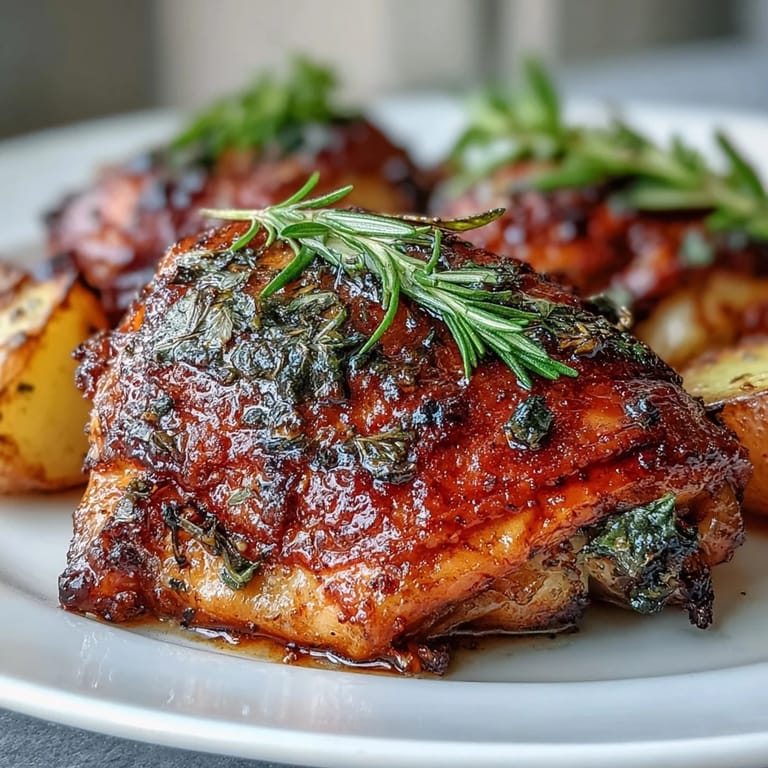
Pin This recipe has become my anchor dinner—the one I make when I want to prove to myself that good food doesn't require complexity. Serve it alongside a crisp salad or crusty bread, pour a glass of wine, and enjoy the fact that you've made something restaurant-quality without leaving your kitchen looking like a disaster zone.
Recipe Q&A
- → What herbs enhance the chicken and vegetables?
Dried thyme, rosemary, oregano, and smoked paprika combine to create a fragrant and flavorful profile that complements the chicken and vegetables.
- → Can I use bone-in or boneless chicken thighs?
Bone-in, skin-on chicken thighs are recommended for juiciness and crisp skin, but boneless thighs can be used with adjusted cooking time.
- → How should the vegetables be prepared?
Baby potatoes are halved, carrots are peeled and cut into 4 cm pieces, and onion is cut into wedges for even roasting.
- → What temperature and time are ideal for roasting?
Roast at 220°C (425°F) for 40–45 minutes until the chicken skin is golden and the internal temperature reaches 74°C (165°F).
- → Are there suggested substitutions for potatoes?
You can swap baby potatoes for sweet potatoes or parsnips to change the dish’s flavor and texture.
- → How can moisture be added during roasting?
Adding a splash of white wine or broth before roasting helps maintain moisture and enhances flavor depth.