 Pin
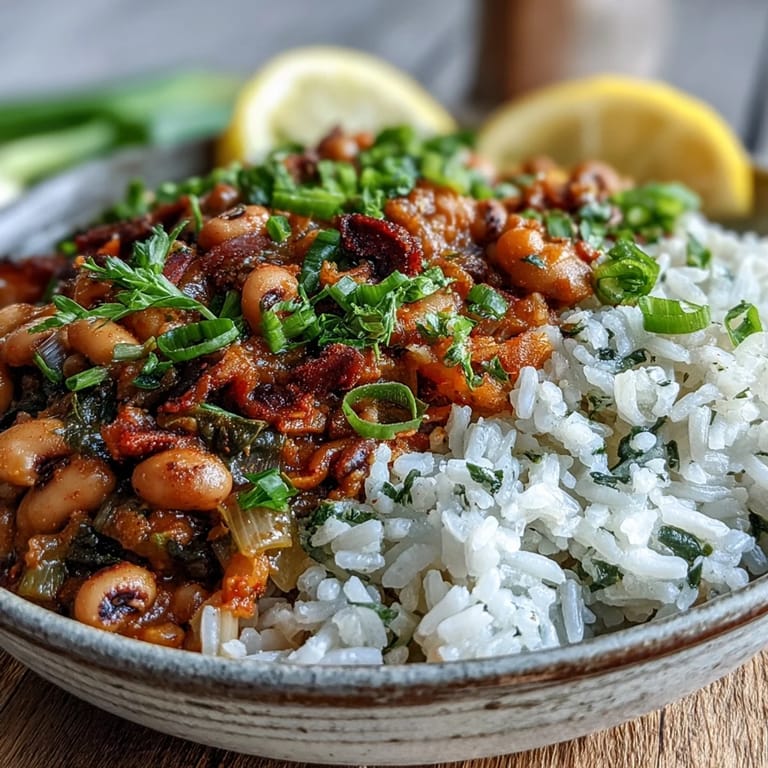
Pin My friend Marcus called me one Tuesday afternoon asking if I could veganize his grandmother's Hoppin John for a family dinner. I'd never made it before, but I remembered him talking about how his family ate it every New Year's Day for good luck. Standing in my kitchen with canned black-eyed peas and smoked paprika, I realized I could honor that tradition without the meat. The result was so close to the original that when I served it, nobody missed a thing.
I still remember the look on Marcus's face when he took that first bite over rice. His eyes went quiet for a second, then he smiled and asked for seconds without saying anything else. His mom, who'd made this dish a hundred times with ham hock, ate three servings and told me the smoked paprika was doing exactly what she needed it to do. That meal taught me that sometimes the most meaningful cooking isn't about perfection, it's about showing up for someone's story.
Ingredients
- Olive oil: Use a good quality oil because it carries the heat from the pan directly to your vegetables and helps build flavor from the very first sizzle.
- Onion, green bell pepper, celery: This holy trinity is the backbone of Southern cooking, and dicing them roughly the same size means they cook evenly and release their sweetness together.
- Garlic: Mince it fresh and add it after the soft vegetables so it doesn't burn and turn bitter.
- Black-eyed peas: Canned ones save time without sacrificing flavor, but rinse them well to remove the cloudy liquid that can make your finished dish taste tinny.
- Smoked paprika: This is the secret ingredient that replaces the smokiness traditionally come from meat, so don't skip it or use regular paprika as a substitute.
- Thyme, oregano, cumin: These dried herbs build layers of flavor, and combining them creates warmth instead of spice alone.
- Cayenne pepper: Keep this optional because heat is personal, and you can always add more but you can't take it out.
- Bay leaves: They're subtle but essential for rounding out the broth's flavor, and removing them at the end prevents anyone from biting into a tough leaf.
- Vegetable broth and soy sauce: The broth becomes your cooking liquid while the soy sauce (or tamari) adds umami depth that makes people wonder what you did differently.
- Rice: Long-grain white rice is traditional, but brown rice adds nuttiness if you prefer more texture.
- Fresh herbs and green onions: These finish the dish with brightness and a little textural contrast to the soft beans.
Tired of Takeout? 🥡
Get 10 meals you can make faster than delivery arrives. Seriously.
One email. No spam. Unsubscribe anytime.
Instructions
- Build your flavor base:
- Heat olive oil in a large pot over medium heat until it shimmers slightly, then add onion, bell pepper, and celery. Listen for the quiet sizzle and let them cook undisturbed for about 3 minutes before stirring, so they develop a light golden edge. This takes about 5 to 6 minutes total and fills your kitchen with a smell that means something good is happening.
- Bloom the aromatics:
- Stir in the minced garlic and let it cook for just 1 minute until it releases its sharp scent and mellows out. You'll know it's ready when you can smell it clearly without that raw edge.
- Wake up the spices:
- Add smoked paprika, thyme, oregano, cumin, cayenne if using, black pepper, and salt all at once. Stir constantly for about 30 seconds so the hot oil releases the essential oils from the spices and they coat every piece of vegetable like a blanket.
- Add the beans and broth:
- Pour in the rinsed black-eyed peas, vegetable broth, soy sauce, and add the bay leaves. Stir everything together until you don't see any dry spices hiding at the bottom of the pot.
- Let it simmer and meld:
- Bring the mixture to a gentle simmer, then turn the heat down to medium-low and cook uncovered for 20 to 25 minutes. Stir occasionally and watch as the liquid gradually reduces and the beans start releasing their starch, thickening the broth into something rich and clingy. The flavors will deepen as the bay leaves do their quiet work.
- Finish and serve:
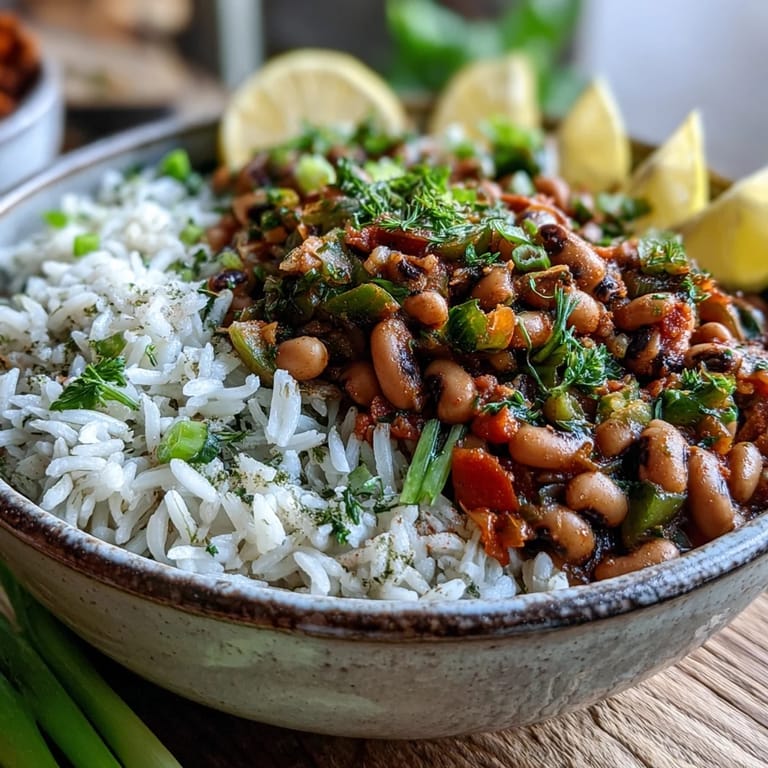
- Remove the bay leaves with a spoon, taste the mixture, and adjust salt or spices if needed. Spoon the hoppin John over warm rice, then scatter fresh parsley or cilantro and green onions on top, squeezing lemon juice over it if you want brightness.
 Pin
Pin Hoppin John became my go-to dish when I wanted to cook something that felt like home even though it wasn't mine to begin with. There's something about honoring someone's tradition by making it your own that creates a strange kind of intimacy in the kitchen.
Why This Works as Vegetarian Comfort Food
Black-eyed peas have a creamy texture and earthy flavor that fills you up the way meat does, and when you combine them with smoked paprika and umami-rich soy sauce, your brain registers deep satisfaction. The spices warm your chest rather than your mouth, which is exactly what Southern cooking should do. I've served this to meat-eaters who didn't notice the absence because the flavor profile was complete and confident.
Timing and Make-Ahead Strategy
The beauty of this dish is that it actually improves when made the day before because the flavors meld and deepen overnight. If you're cooking for guests, prepare the hoppin John completely, refrigerate it, and gently reheat it on the stovetop while your rice cooks fresh. This takes pressure off your timing and lets you focus on setting the table instead of managing pots.
Variations and Swaps That Actually Work
I've played with this recipe enough times to know what bends and what breaks. The spice combination is flexible, and you can swap out oregano for a bit of smoked cumin if you want earthier notes, or add a splash of apple cider vinegar at the end for brightness. The beans are more forgiving than you'd think, and pinto beans or kidney beans work beautifully if black-eyed peas aren't available, though they'll cook faster so watch them carefully.
- For extra smokiness, add liquid smoke or use chipotle powder instead of regular cayenne pepper.
- If you don't have soy sauce, coconut aminos gives you that umami punch without the soy allergen.
- Serve alongside collard greens, cornbread, or hot sauce to build out a full Southern spread that feels intentional.
 Pin
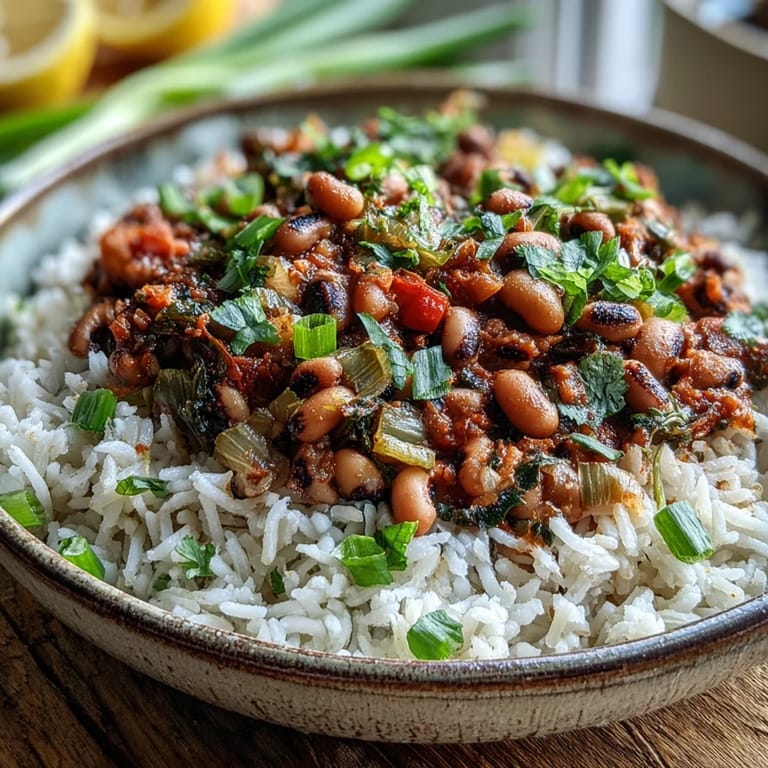
Pin This dish reminds me that comfort food isn't about what you grew up eating, it's about the care you put into feeding people you love. Make it for someone whose traditions matter to them, and watch how food becomes a language all its own.
Recipe Q&A
- → What makes this dish traditionally Southern?
Hoppin' John originated in the Lowcountry of South Carolina and Georgia, combining black-eyed peas with rice and vegetables. The smoked paprika and aromatic seasonings provide authentic regional depth while keeping it entirely plant-based.
- → Can I make this ahead of time?
Yes, the flavors actually improve after sitting. Make the black-eyed pea mixture up to 3 days in advance and store in the refrigerator. Reheat gently before serving over freshly cooked or warmed rice.
- → What can I substitute for the black-eyed peas?
Black-eyed peas provide traditional flavor, but you can swap them for pinto beans, kidney beans, or even lentils. Cooking times may vary slightly depending on your chosen legume.
- → Is this dish spicy?
The cayenne pepper adds mild heat, but it's optional. Without it, the dish relies on smoked paprika and aromatic spices for warmth rather than burn. Adjust the cayenne to your preference.
- → What pairs well with Hoppin' John?
Collard greens, cornbread, or a simple green salad make excellent sides. Hot sauce on the table lets diners customize their heat level. The dish stands alone as a complete protein-rich meal.