 Pin
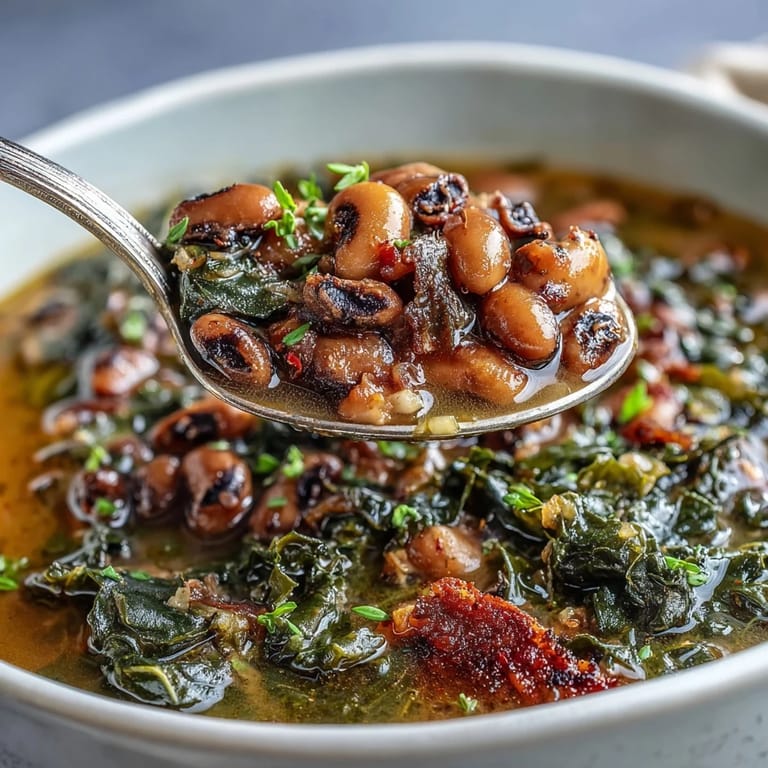
Pin My grandmother used to say that a proper stew tells the story of whoever made it, and this black-eyed pea and collard green creation is pure soul food storytelling. I discovered it one winter afternoon when a neighbor brought over a pot of this very stew, and the kitchen filled with that deep, smoky aroma that made everything else feel small and unimportant. The first spoonful hit differently than I expected—earthy, warm, with a subtle tang that kept me coming back for more. There's something about the way the collards soften into the broth and the beans break down just enough to thicken everything that feels like home, even if home is somewhere you've never been.
I made this for my book club once, thinking it might be too casual for the occasion, but something shifted when everyone gathered around the table. People slowed down, conversations deepened, and suddenly we weren't just eating—we were sharing something that mattered. That's when I realized this stew isn't just food; it's an invitation to linger, to connect, to remember why we cook for each other in the first place.
Ingredients
- Olive oil: Two tablespoons creates the foundation for everything that follows, though I've learned not to skimp here because it carries all those beautiful flavors forward.
- Yellow onion, large, diced: This is your aromatic anchor—one large onion breaks down into almost nothing but gives the entire pot its backbone.
- Garlic, minced: Three cloves might seem modest, but they bloom beautifully once they hit the hot oil and spices, so don't crush them too fine.
- Carrots and celery, diced: The holy trinity wouldn't be complete without these two, and their sweetness balances the earthy greens perfectly.
- Jalapeño, seeded and finely chopped: Optional but worth including—it adds a whisper of heat without overwhelming the dish, and removing the seeds keeps it gentle.
- Collard greens: About ten ounces with stems removed; these are the soul of the dish, so choose fresh bunches if you can and tear them by hand rather than chopping for better texture.
- Canned diced tomatoes: One fourteen-point-five ounce can with its juices adds acidity and brightness that's essential for the balance.
- Black-eyed peas: Three cups cooked or two cans drained—I prefer cooking from dried when I have time, but canned works beautifully and saves you precious hours.
- Vegetable broth: Four cups of low-sodium, as it lets you control the salt level and the flavor stays true to everything else in the pot.
- Smoked paprika: One teaspoon is what separates this from ordinary bean stew; it's the ingredient that whispers smoke without shouting.
- Dried thyme: One teaspoon rounds out the spice profile with earthiness that complements the greens.
- Cayenne pepper: Half a teaspoon optional, but it adds a gentle warmth that sneaks up on you.
- Salt and black pepper: One teaspoon salt and half a teaspoon pepper to start, then you'll taste and adjust because every pot is different.
- Bay leaves: Two of these become flavor messengers, infusing the liquid with subtle complexity—always remember to fish them out before serving.
- Apple cider vinegar: One tablespoon stirred in at the end brightens everything and ties the flavors together like a final brushstroke.
Tired of Takeout? 🥡
Get 10 meals you can make faster than delivery arrives. Seriously.
One email. No spam. Unsubscribe anytime.
Instructions
- Heat your oil and build the aromatics:
- Pour two tablespoons of olive oil into your pot over medium heat and let it shimmer for a moment. Add your diced onion, carrots, celery, and jalapeño, then sauté for six to eight minutes, stirring occasionally, until the vegetables soften and the kitchen begins to smell like something intentional.
- Bloom the garlic:
- Add your three minced cloves and let them cook for just one minute—any longer and they'll turn bitter, any shorter and they won't fully awaken. You'll know it's right when you can smell the pungent sweetness.
- Toast the spices:
- Stir in your smoked paprika, thyme, cayenne if using it, salt, and black pepper, cooking for one minute more to release their oils and essence into the oil. This moment matters more than it seems; it's where the magic actually happens.
- Add the collards and let them begin to relax:
- Pile in your chopped collard greens and stir everything together for three to four minutes until they begin to wilt and darken slightly. They'll seem like too much at first, but trust the process.
- Build the broth:
- Pour in your canned tomatoes with their juices, the black-eyed peas, four cups of vegetable broth, one cup of water, and two bay leaves, then stir until everything is incorporated. The pot should smell deep and complex now, like you're cooking something that matters.
- Simmer until everything becomes one:
- Bring the mixture to a gentle simmer, then reduce the heat to low and cover the pot. Let it cook for forty-five to fifty minutes, stirring occasionally, until the collards are completely tender and the flavors have woven themselves together into something harmonious.
- Finish with brightness:
- Remove the bay leaves, stir in your apple cider vinegar, and taste the stew. Adjust the salt and pepper as needed—this is where you make it yours and make sure nothing is shy or overshadowed.
 Pin
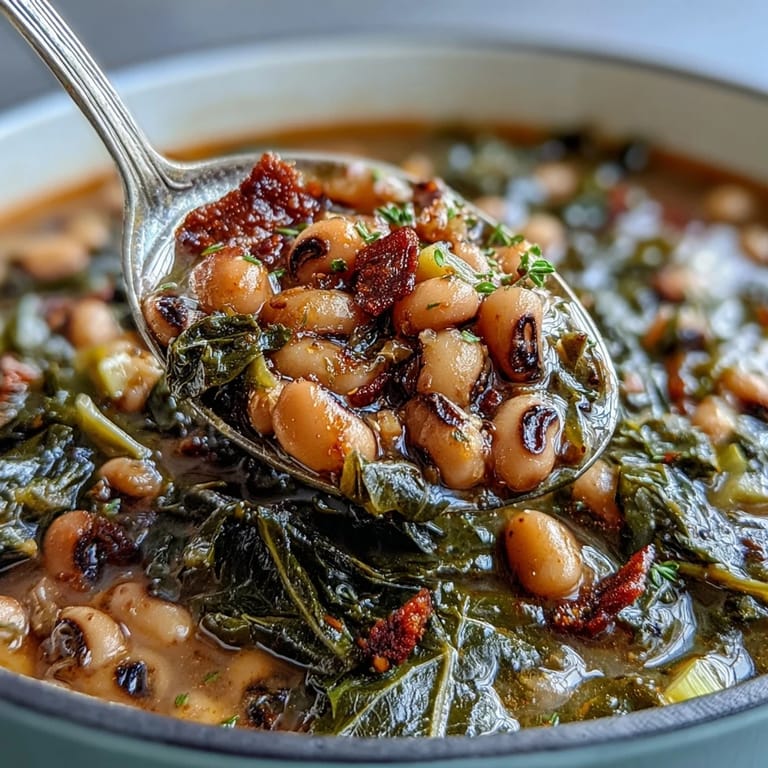
Pin Years later, I still make this stew when the weather turns cold and the world feels like it needs something warm and true. My daughter now asks for it by name, and watching her taste it for the first time brought me full circle to that day when my neighbor first shared it with me.
The Art of Low and Slow
This stew teaches patience in the gentlest way. The first thirty minutes, nothing seems to change much—the greens are still somewhat firm, the beans are just beans. But somewhere between minute thirty-five and minute forty-five, something shifts in the pot that you can't force or rush. The collards soften into velvet, the broth becomes richer and darker, and the individual ingredients surrender into something unified and whole. I've tried turning up the heat to speed things along, and the result was always somehow less than what the slow simmer creates. There's a reason soul food takes time; it's teaching us something about trust.
Variations That Keep It Interesting
The beauty of this stew is how adaptable it becomes once you understand its core. I've added smoked turkey pieces to make it heartier, stirred in a splash of liquid smoke for deeper flavor on days when I wanted something smokier, and even experimented with different greens when collards weren't available. The base is so solid that it welcomes your changes without falling apart. One winter, I added a touch of molasses which shouldn't have worked but somehow did, creating this subtle sweetness that balanced the heat beautifully. What matters most is that you're cooking with intention rather than just following instructions, and this dish rewards that kind of attention.
Serving and Storage Wisdom
Serve this stew hot in deep bowls with cornbread on the side if you want comfort food that feels complete. I've also found that it pairs beautifully with a simple hot sauce drizzle or fresh lemon juice for those who like extra brightness, and the stew adapts gracefully to individual preferences. As for storage, this is one of those dishes that improves with time—it keeps in the refrigerator for five days easily and freezes beautifully for up to three months, making it perfect for meal prep on quieter weeks. When you reheat it, add a splash of water to restore the broth's body, and it will taste like you just made it fresh.
- Leftover stew makes an incredible filling for savory hand pies or spooned over rice for a completely different meal.
- If the stew thickens too much as it sits, thin it with vegetable broth or water until it reaches your preferred consistency.
- Always taste and adjust seasoning after reheating, as flavors can shift subtly once the stew cools and warms again.
 Pin
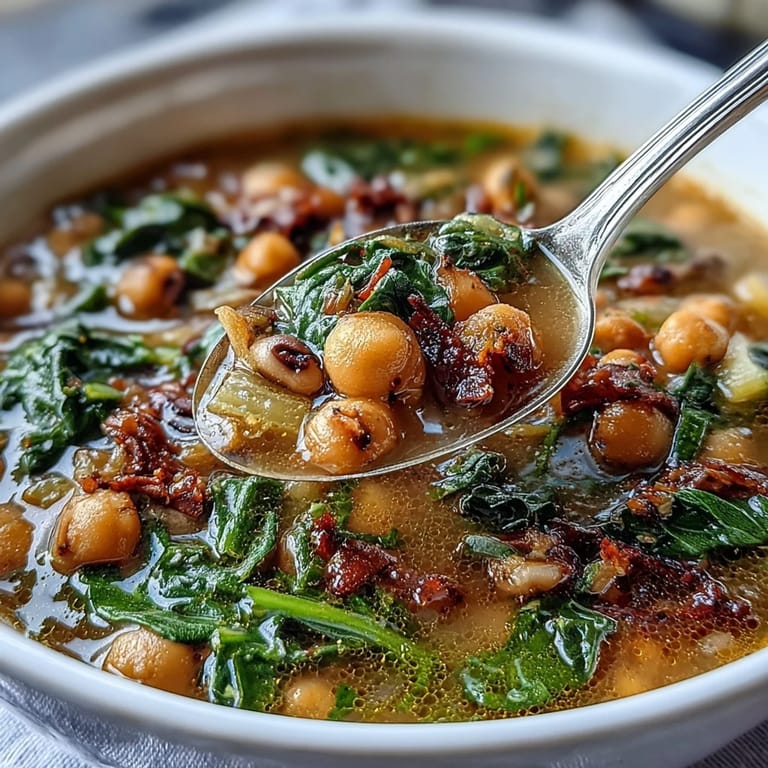
Pin This stew reminds me that cooking isn't about perfection or impressing anyone—it's about showing up for the people you care about with something warm and honest. Every time you make it, you're joining a long line of cooks who understood that nourishment runs deeper than calories.
Recipe Q&A
- → What are the key flavors in this stew?
The stew features smoky paprika, earthy black-eyed peas, fresh collard greens, and aromatic thyme, balanced with mild heat from cayenne and jalapeño.
- → Can I make this stew spicier?
Yes, increase the amount of jalapeño or cayenne pepper to taste for added heat without overpowering the other flavors.
- → What cooking method is used for the greens?
Collard greens are stirred into the sautéed vegetables and cooked gently to wilt before simmering, preserving their texture and flavor.
- → How do I enhance the smoky aroma in the dish?
Sauté diced smoked turkey or ham with the vegetables, or add a teaspoon of liquid smoke with the spices for a deeper smoky note.
- → What sides pair well with this stew?
Traditional sides include warm cornbread or a simple hot sauce drizzle, adding complementary textures and flavor contrasts.
- → Is this suitable for vegetarian diets?
Absolutely; omit any smoked meat additions for a vegetarian and gluten-free breakfast meal rich in plant-based proteins.