 Pin
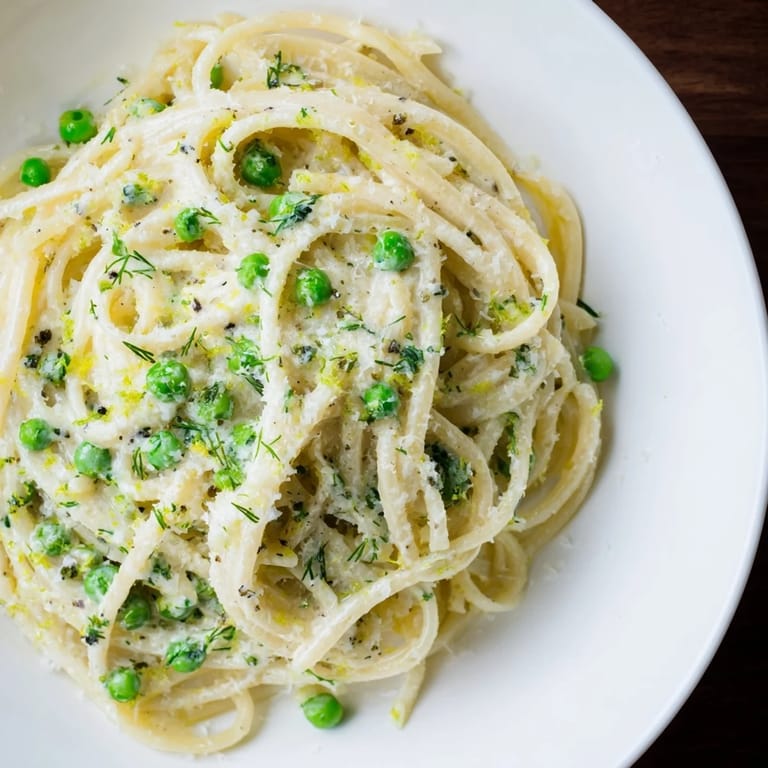
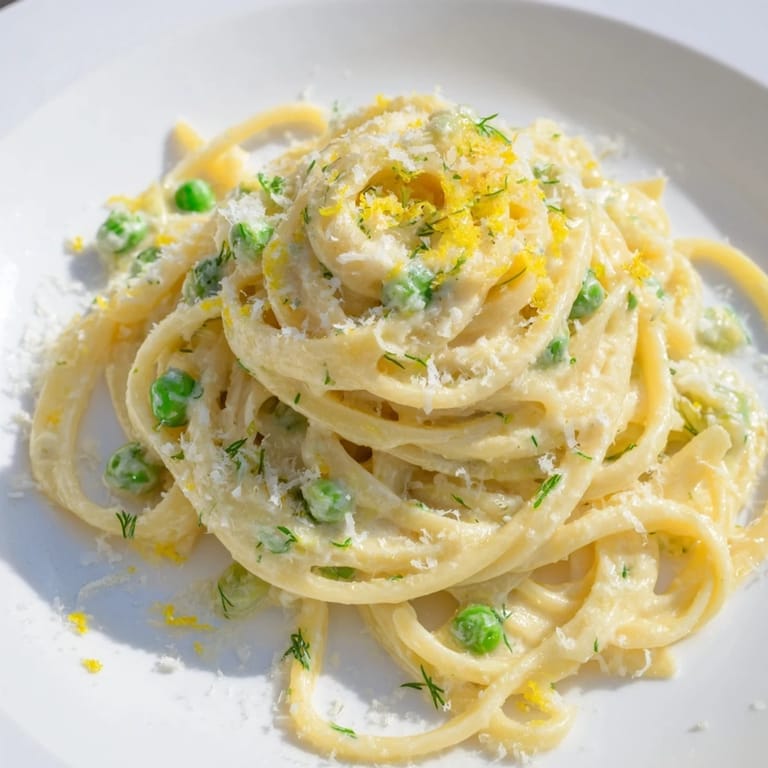
Pin One evening, I was stuck between wanting comfort food and needing something that felt fresh, so I started playing with what was in my pantry. Pasta, cream, a lemon sitting on the counter, and a bunch of dill I'd grabbed from the market without a plan. Ten minutes later, I had the kind of dish that tastes like you tried harder than you actually did. The brightness of the lemon cutting through the cream, the dill making everything taste like spring—it became the recipe I make when I want to impress someone without the stress.
I made this for my sister who'd just moved into her first apartment, and she stood in my kitchen watching the sauce come together, fascinated by how simple it could be. She's made it probably fifty times since, and now it's her go-to when she wants to cook for someone. There's something special about a recipe that spreads like that, where it stops being mine and becomes something people claim as their own.
Ingredients
- Dried pasta (350g): Fettuccine, linguine, or penne all work beautifully; the wider shapes catch more sauce in every bite.
- Unsalted butter (2 tbsp): It's your base for building flavor, so use good butter if you can.
- Fresh garlic (2 cloves): Mince it fine so it melts into the sauce rather than announcing itself in chunks.
- Lemon zest (1 lemon): Get the yellow part only; the white pith underneath tastes bitter and will ruin the whole thing.
- Heavy cream (200 ml): This is what makes the sauce silky, but don't skip the pasta water—it's your secret weapon for keeping everything from breaking.
- Fresh lemon juice (2 tbsp): Squeeze it fresh; bottled juice tastes flat and changes the whole character of the dish.
- Dijon mustard (1 tsp): It's just a whisper of flavor, but it adds depth and helps emulsify the sauce so it stays smooth.
- Parmesan cheese (40g, grated): Grate it fresh if you have time; pre-shredded cheese has cellulose that makes it grainy.
- Fresh dill (3 tbsp): This is the star, so don't use dried—it's not the same herb at all.
Tired of Takeout? 🥡
Get 10 meals you can make faster than delivery arrives. Seriously.
One email. No spam. Unsubscribe anytime.
Instructions
- Start the pasta:
- Bring a large pot of salted water to a boil—it should taste like the sea. Add the pasta and stir immediately so nothing sticks together.
- Build the flavor base:
- While the pasta cooks, melt butter in your skillet over medium heat. When it foams, add the minced garlic and lemon zest, and let it sizzle for about a minute until the whole kitchen smells alive.
- Create the cream sauce:
- Pour in the heavy cream and stir gently, then add the lemon juice and Dijon mustard. Let it simmer quietly for a couple of minutes—you're not looking for a boil, just a gentle bubble at the edges.
- Bring in the cheese:
- Add the Parmesan and season with salt and pepper, stirring until everything melts together into something smooth and glossy.
- Marry the pasta and sauce:
- Drain your pasta (but keep that water), add it to the skillet, and toss gently. If the sauce seems thick, add a splash of the reserved pasta water—it has starch that helps everything cling together.
- Finish with the dill:
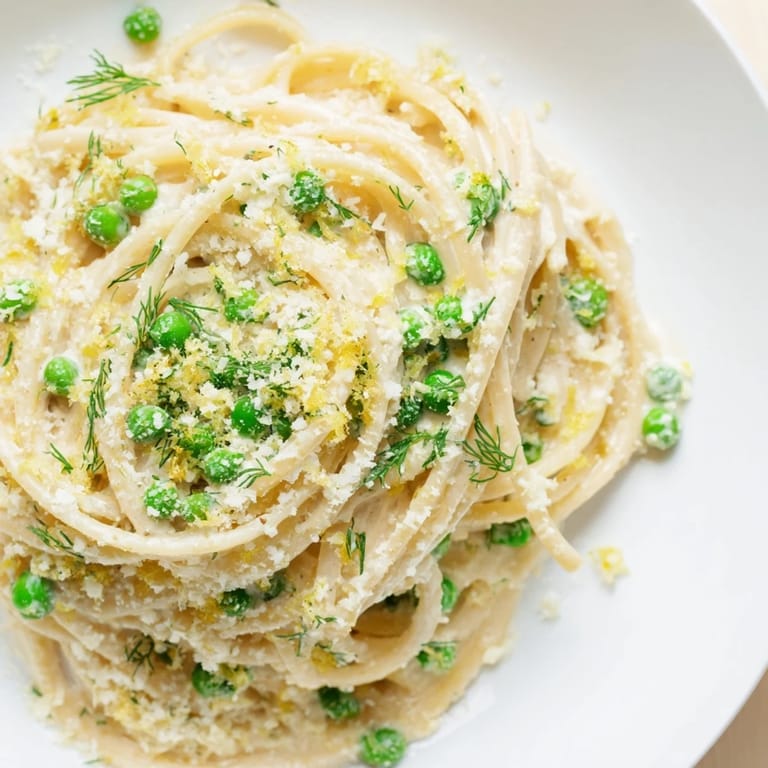
- Stir in the fresh dill and any peas you're using, tossing until everything is coated and warm. Taste it now and adjust—you might need a pinch more salt or a squeeze of lemon.
 Pin
Pin My neighbor came over one Sunday and ate this without knowing I'd just thrown it together, and she genuinely thought I'd been planning it all week. That moment—when someone realizes good food doesn't require drama or fuss—that's when a recipe becomes something you keep making.
Why Fresh Dill Changes Everything
The first time I tried this with dried dill, I learned the hard way that some herbs lose everything when they dry. Fresh dill is green and almost sweet, with this herbaceous brightness that dried dill, which tastes like musty hay, simply can't match. If you can't find fresh dill, it's genuinely better to leave it out and let the lemon be the star than to use something that'll make you wonder why the dish feels off.
Playing With Variations
The beauty of this recipe is that it handles additions without falling apart. I've thrown in peas right at the end, sautéed some asparagus on the side, even crumbled smoked salmon on top for richness. One evening I added caramelized shallots instead of plain garlic, and it shifted the whole mood into something almost decadent. The cream sauce is forgiving enough to support these changes without losing its character.
Serving and Pairing
Serve this immediately while it's warm and the sauce is silky, straight onto warm plates. A cold glass of Sauvignon Blanc alongside is perfect—the wine's acidity echoes the lemon, and its crispness cuts through the cream in a way that makes every bite taste fresher. If you're making this for guests, remember that pasta waits for no one, so have your table ready and everyone seated before you drain the pasta.
- Finish with an extra sprinkle of fresh dill and maybe a grind of black pepper for color and final flavor.
- If you have good fleur de sel, a tiny pinch on top adds a brightness that table salt doesn't quite capture.
- Leftover sauce is delicious tossed with vegetables the next day, though the pasta itself is best eaten fresh.
 Pin
Pin This is the kind of dish that reminds you why cooking at home matters—something simple, made with care, that brings people to the table. Make it, and make it again.
Recipe Q&A
- → What pasta types work best with this dish?
Fettuccine, linguine, or penne hold the creamy sauce well and complement the delicate flavors of dill and lemon.
- → Can I substitute heavy cream for a lighter option?
Yes, using half-and-half instead of heavy cream provides a lighter, less rich sauce while keeping it smooth.
- → How does Dijon mustard affect the sauce?
Dijon mustard adds a subtle tang and depth, balancing the creaminess and enhancing overall flavor complexity.
- → Are there vegetarian considerations for this dish?
Omit smoked salmon and Parmesan or replace it with a vegetarian alternative to maintain the dish's rich taste while keeping it vegetarian.
- → What herbs complement fresh dill in this preparation?
Fresh dill is vibrant on its own, but light additions like chives or parsley can add mild contrast without overpowering.
- → Can I add vegetables for more texture?
Yes, peas are a great option included here. Sautéed mushrooms or asparagus also work well to enhance texture and flavor.